

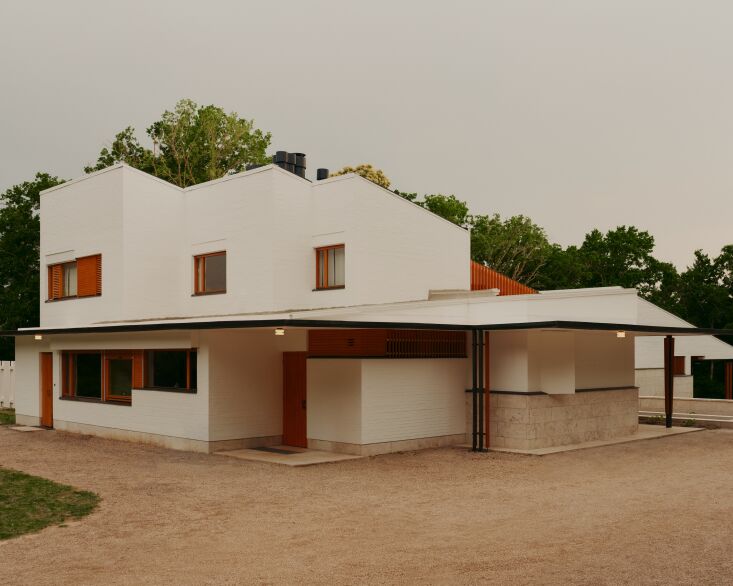
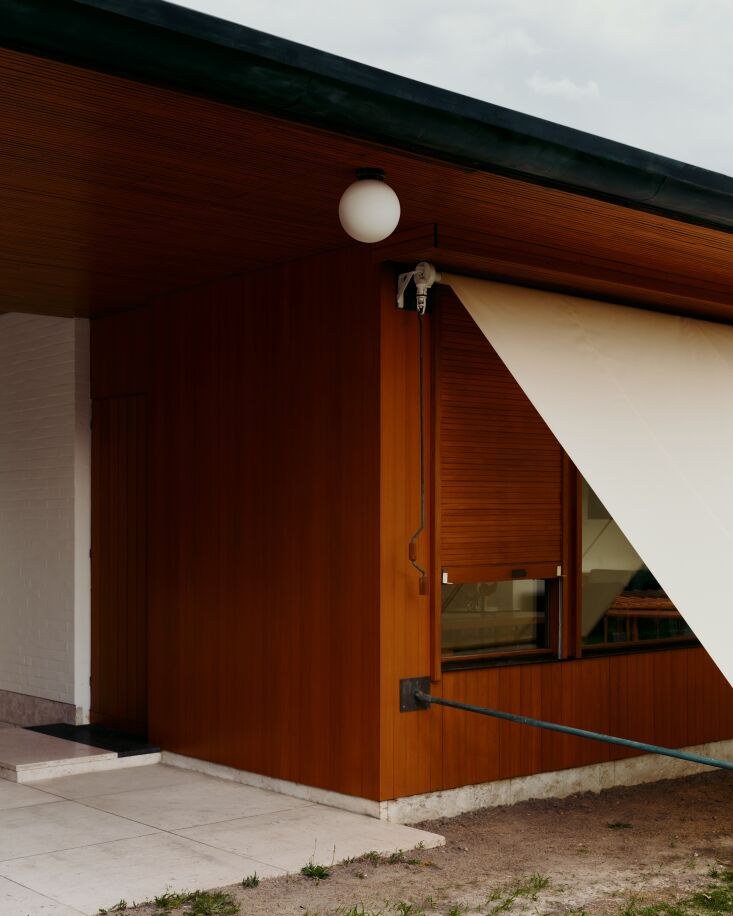
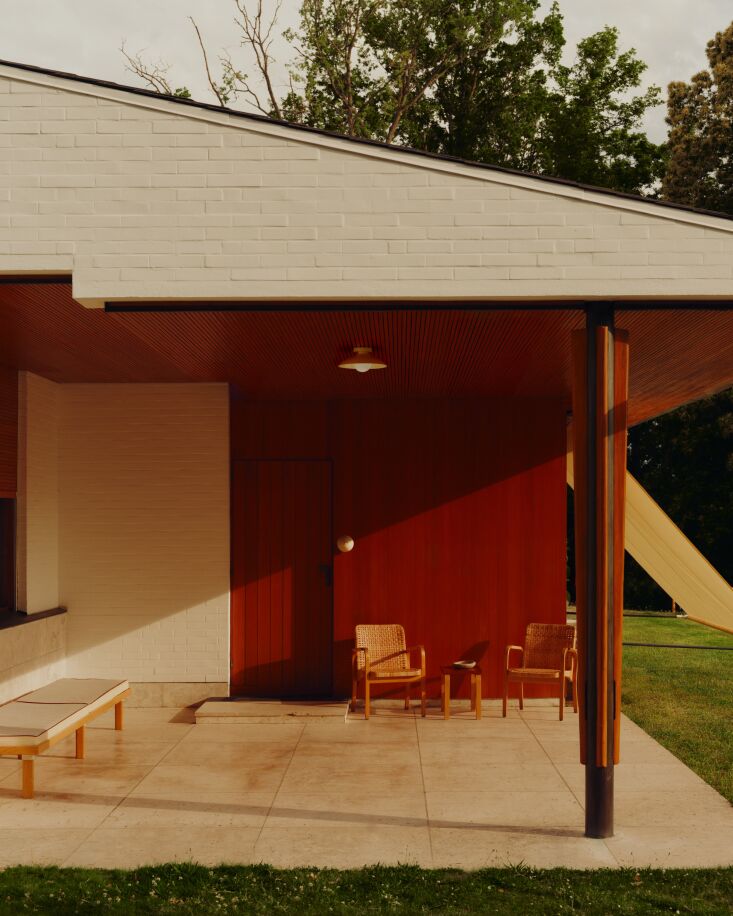
In Bazoches-sur-Guyonne, west of Paris, Maison Louis Carré is architect Alvar Aalto’s only realized building in France—and one of his most complete expressions of architecture as a total work. Designed in 1956 for art collectors Louis and Olga Carré, the house is a sequence of rooms moving from a low, contained entry, then opening out toward the terraced garden.
Aalto conceived the project down to its smallest details, working alongside his second wife and collaborator, architect Elissa Aalto to design not just the building but its interiors, furnishings, and lighting—an approach based upon the idea of Gesamtkunstwerk, or a total work of art. Nearly seventy years on, that ethos remains intact.
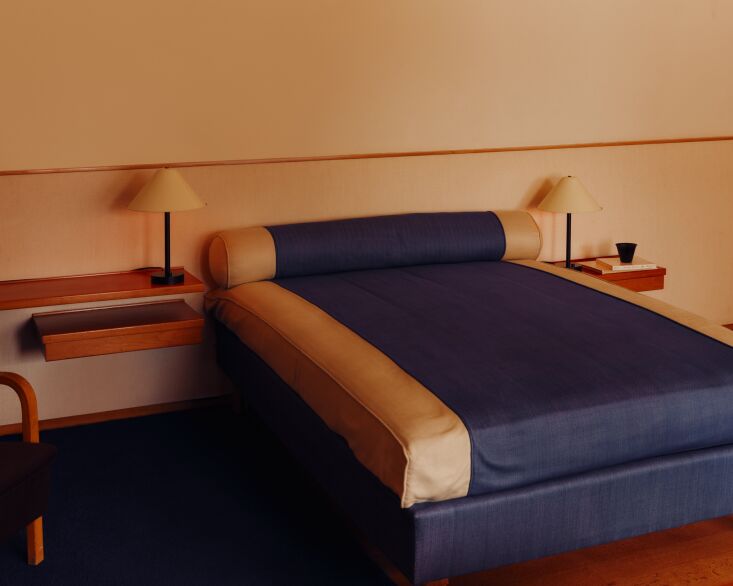
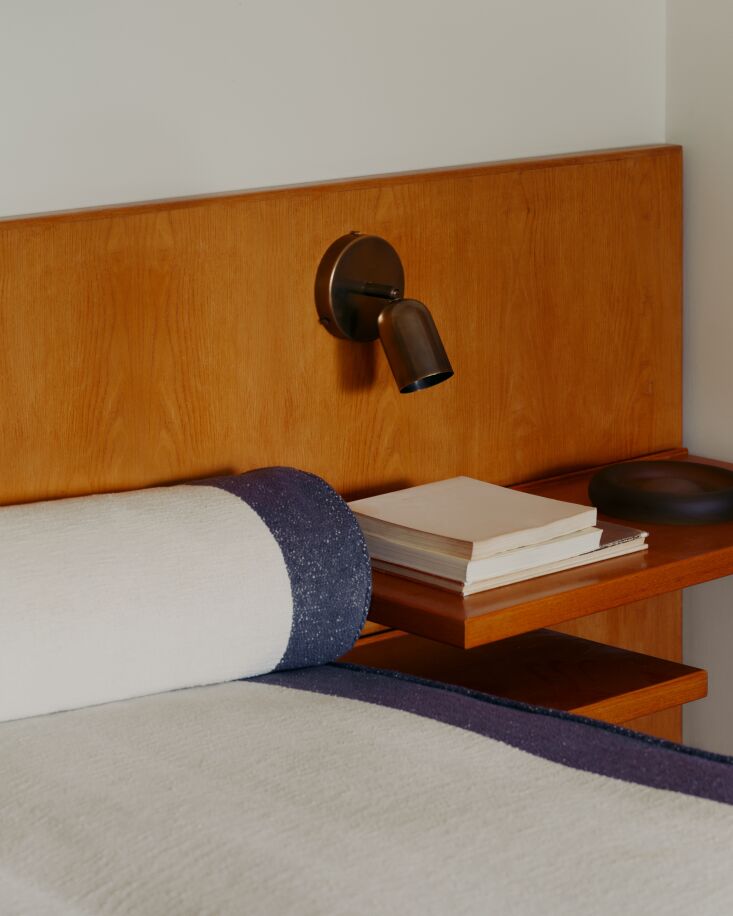
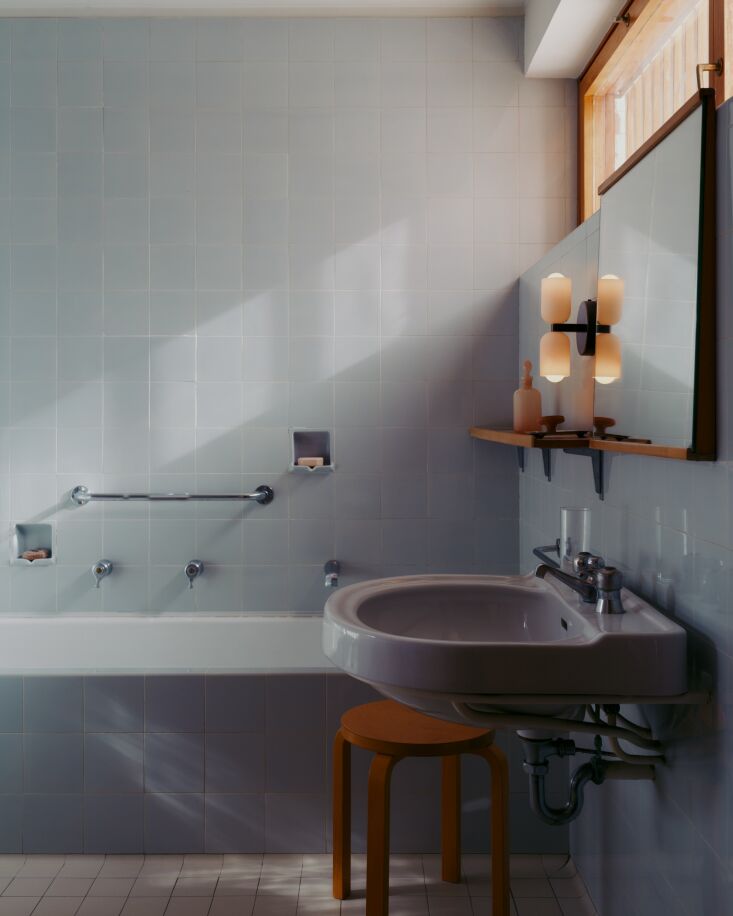
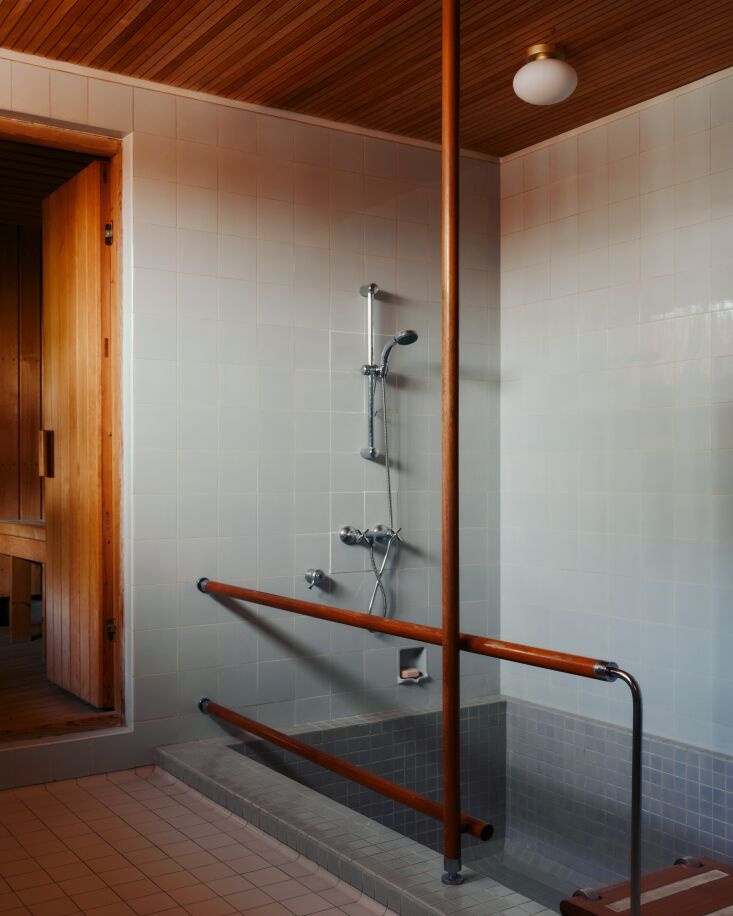
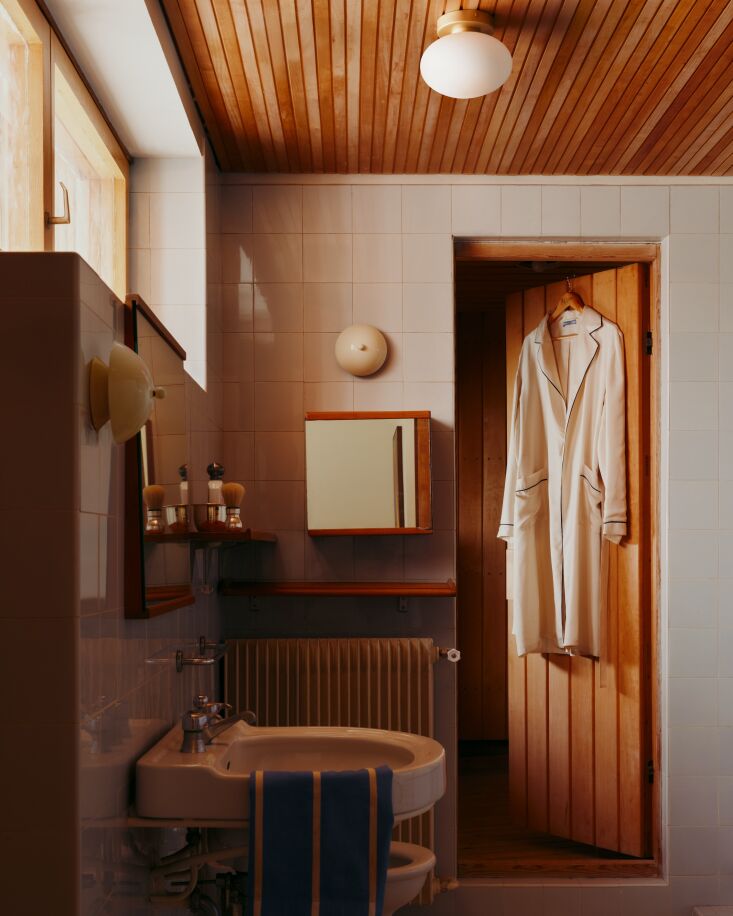
It’s this continuity that drew New York-based studio In Common With to the house. Founded on similar principles—modularity, adaptability, and a close attention to material—the studio installed a selection of its Core collection here, placing contemporary fixtures into dialogue with Aalto’s architecture. Rather than contrast, the aim was alignment: pieces that register as part of the spatial order.
Photography by Bastian Achard for In Common With.
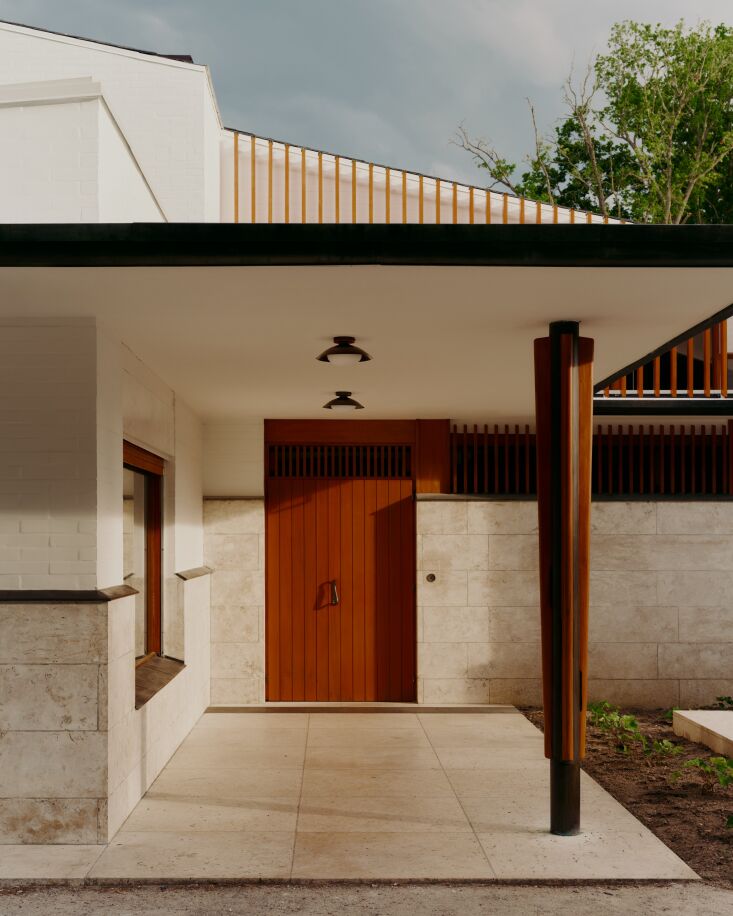
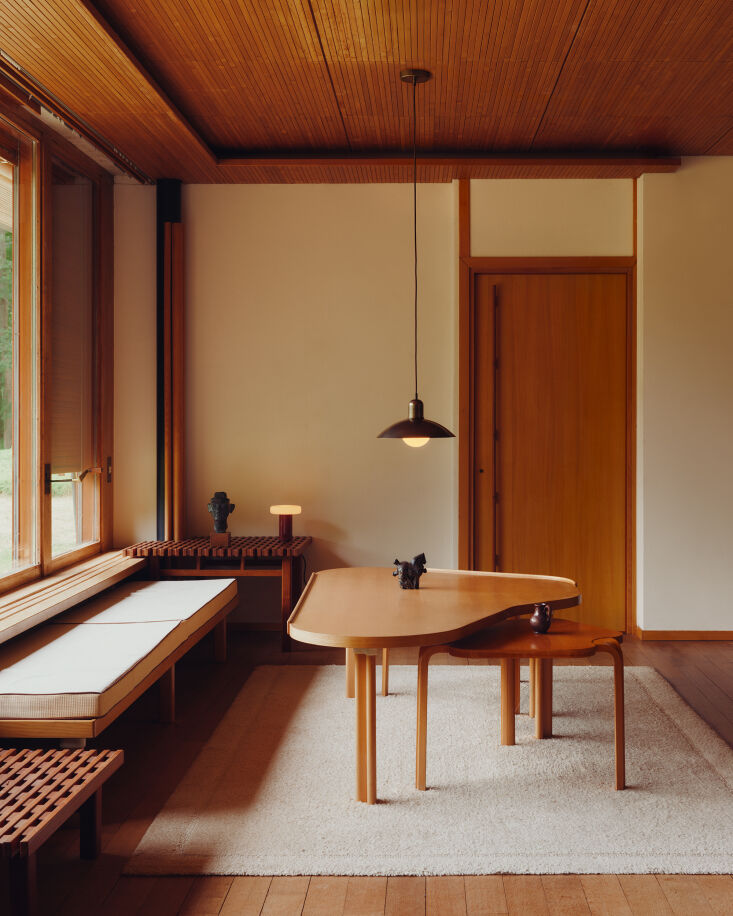
Aalto designed the house as a complete environment, from built-ins to light fixtures, dissolving the boundary between architecture and interior. “[Alvar Aalto] is a key inspiration behind why we founded In Common With—and the guiding principle of our first collection, Core: a modular system built to evolve, adapt, and endure,” explains In Common With.
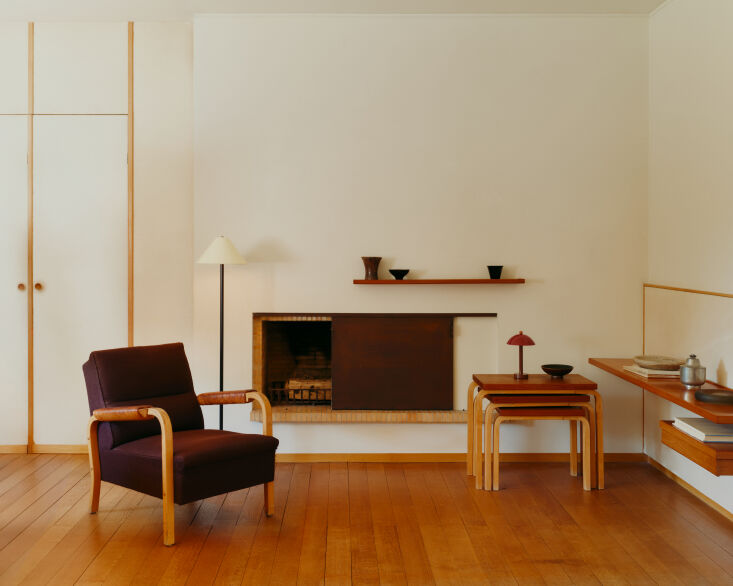
The founding of Artek in 1935, 20 years prior to finishing Maison Louis Carré, helped translate Aalto’s approach into furniture and systems designed for everyday use. Nearly a century apart, the shared language—modular, adaptable, expressive—allows the new pieces from In Common With to sit easily within Aalto’s framework.
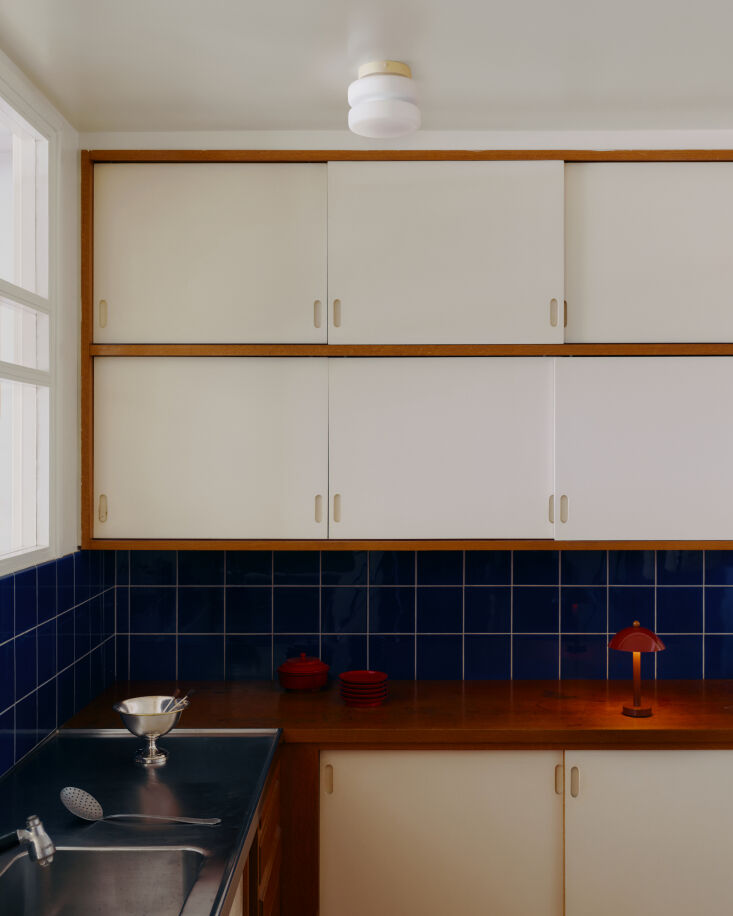
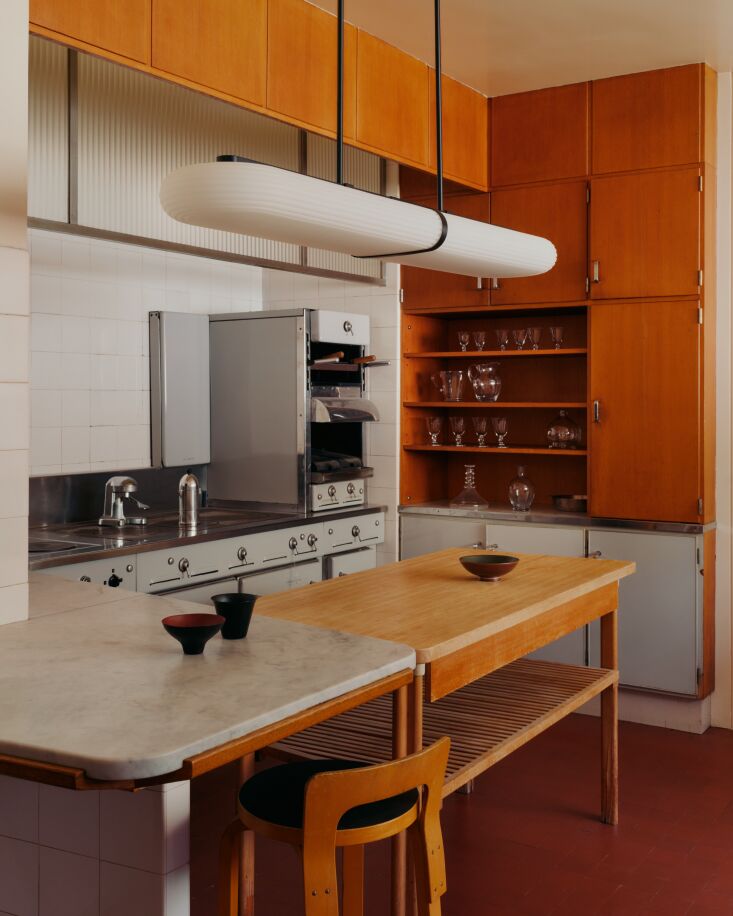
“Every element in Maison Louis Carré is considered,” describes In Common With. “Our approach was to place our fixtures in a way that felt continuous with the architecture, rather than applied to it.”
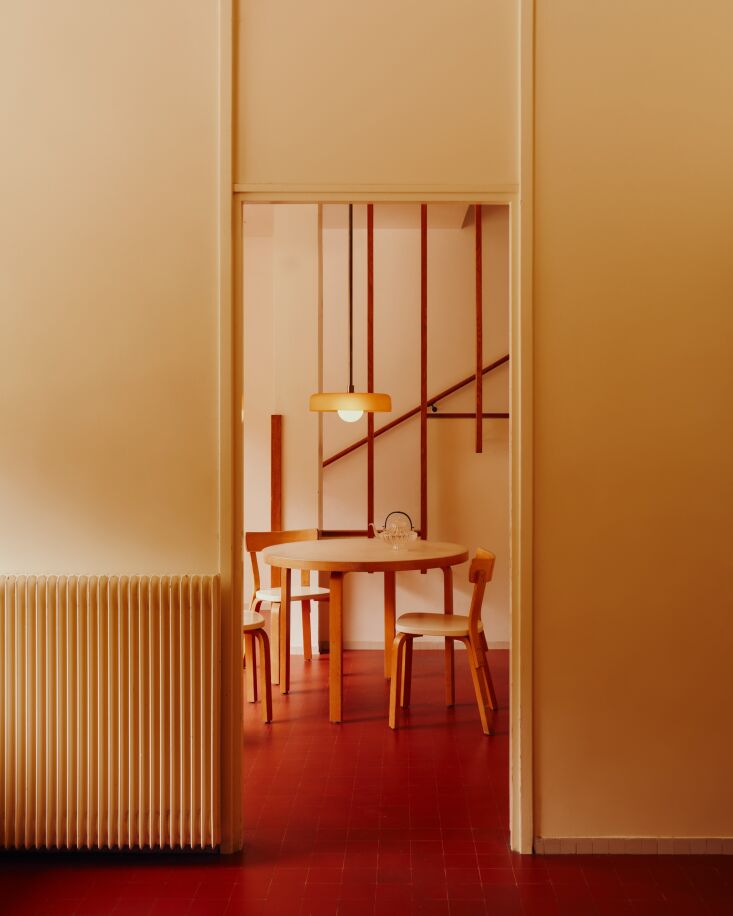
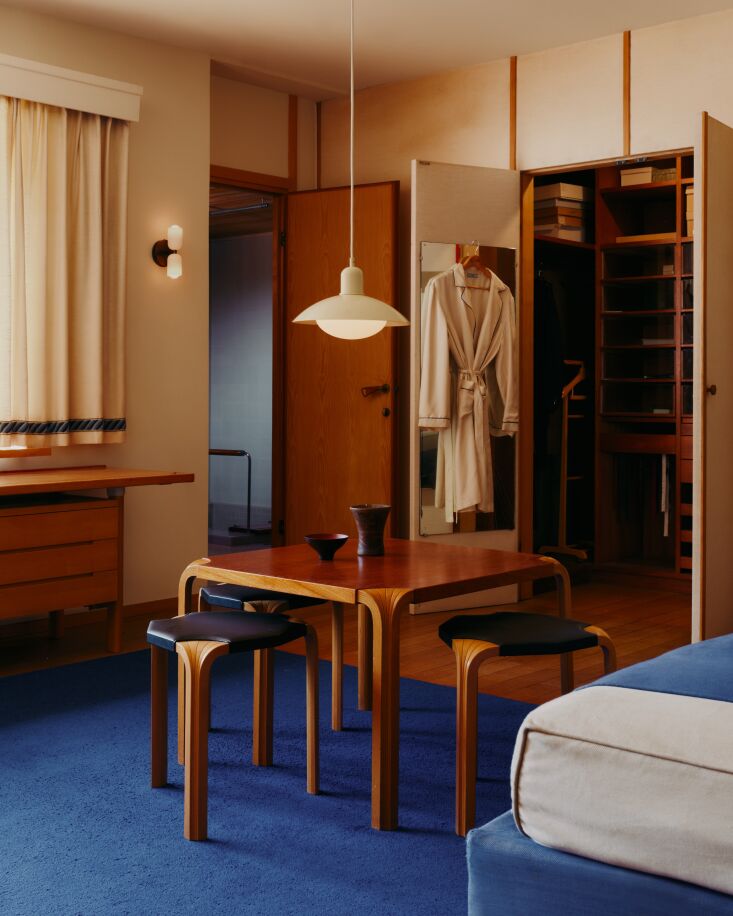
For more historic modernist houses, see our posts:
- Villa Rezek Restored, Now On View: 1930s Viennese Modernism by Architect Hans Glas
- Daring Color Ideas to Steal from the Finn Juhl House in Copenhagen
- 14 Lessons in Minimalism from the Glass House
- 12 Design Lessons from Le Corbusier’s Maison La Roche in Paris
- 12 Design Lessons from Kettle’s Yard in Cambridge

Have a Question or Comment About This Post?
Join the conversation