The City Cottage A 19thCentury Home in New Orleans Keeps Its Cool portrait 2 Icon - Arrow LeftAn icon we use to indicate a rightwards action. Icon - Arrow RightAn icon we use to indicate a leftwards action. Icon - External LinkAn icon we use to indicate a button link is external. Icon - MessageThe icon we use to represent an email action. Icon - Down ChevronUsed to indicate a dropdown. Icon - CloseUsed to indicate a close action. Icon - Dropdown ArrowUsed to indicate a dropdown. Icon - Location PinUsed to showcase a location on a map. Icon - Zoom OutUsed to indicate a zoom out action on a map. Icon - Zoom InUsed to indicate a zoom in action on a map. Icon - SearchUsed to indicate a search action. Icon - EmailUsed to indicate an emai action. Icon - FacebookFacebooks brand mark for use in social sharing icons. flipboard Icon - InstagramInstagrams brand mark for use in social sharing icons. Icon - PinterestPinterests brand mark for use in social sharing icons. Icon - TwitterTwitters brand mark for use in social sharing icons. Icon - Check MarkA check mark for checkbox buttons.
You are reading

The City Cottage: A 19th-Century Home in New Orleans Keeps Its Cool

Search

The City Cottage: A 19th-Century Home in New Orleans Keeps Its Cool

May 22, 2026

A cottage has a soul, a sense of history: So say Nell Card and Rachel Vere in their new book, Life Inside a Cottage, and it’s a definition that fits this yellow cottage in New Orleans to a tee. In fact, this small, simple house has quietly witnessed the key moments of New Orleans’ history for the better part of two hundred years.

The cottage in question is a small 19th-century structure in the city’s Bywater neighborhood, tucked in the shade of two leafy Louisiana cypress trees that keep the house cool on even the steamiest summer days. Built in 1836, the Creole cottage is made of wood reclaimed from old barges used to ship lumber down the Mississippi, the gaps filled in with heavy-duty sail canvas and plaster; today, Kerry Moody is its steward and inhabitant. Write Nell and Rachel in their book: “It was a crude construction method, but one that suited the first owner of Kerry’s cottage: a Dutch sailor who had married a Creole woman.” Adds Kerry: “I imagine he was away at sea at lot of the time. This would have been such a beautiful place for her to live alone, because it feels very protected.”

Fast forward a century and a half, when Kerry stepped into the cottage for the first time. The house was then owned by an American Mardi Gras historian, and the interiors were decorated to suit, with purple and green walls, boas and feathers covering every inch. “It was breathtaking,” Kerry told Nell and Rachel—though not quite his taste. Now a stylist and antique hunter himself, he set about restoring the interiors with “some Creole elegance” in mind, “evoking some of the mystery and sweetness of the Creole past.”

Join us for a look:

the cottage, with sweet green shutters. it&#8\2\17;s tucked behind a tropic 17
Above: The cottage, with sweet green shutters. It’s tucked behind a tropical garden; the twin Louisiana cypress trees were saplings when Kerry moved in.
kerry left the cottage&#8\2\17;s simple layout untouched: four equal sized  18
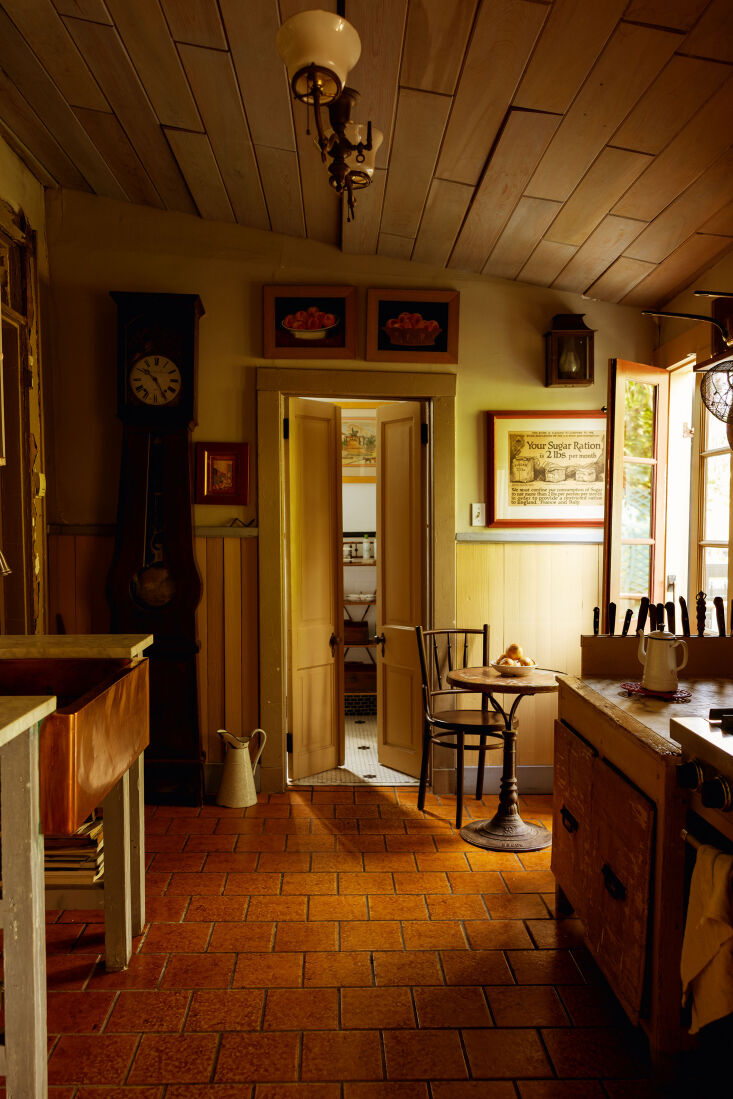
Above: Kerry left the cottage’s simple layout untouched: four equal-sized rooms at the front, with two small rooms at the back connected by pass-through space, now the kitchen. “When guests show up, they feel the energy in the cottage, because you can walk around it in a circle and you can see that every inch of the house is used,” Kerry told Nell and Rachel. “I think that’s what makes it so special. In fact, sometimes I have a hard time trying to get people to leave.”
when he began work on the house, kerry counted on patrick j. dunne, the founder 19
Above: When he began work on the house, Kerry counted on Patrick J. Dunne, the founder of culinary antique shop Lucullus—where he was starting his career as a stylist—to outfit the interiors, stripping off layers of wallpaper and repairing the plaster. One night he tore down the drop ceilings himself and made a delightful discovery: the original beadboard underneath.
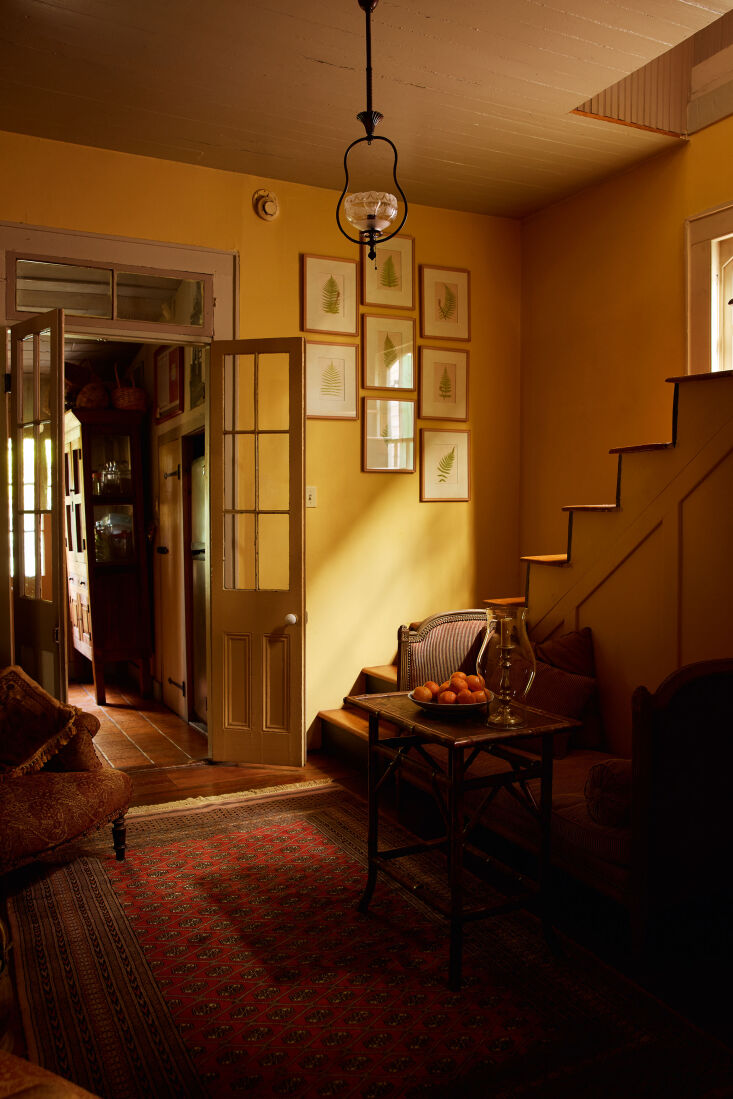
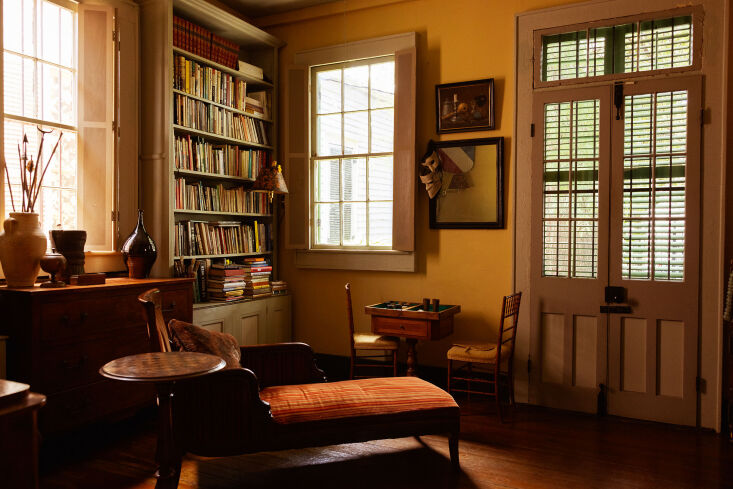
the interiors are done largely in rich, sunny yellows. &#8\2\20;as a creole 20
Above: The interiors are done largely in rich, sunny yellows. “As a Creole of color, I have always been equally proud of my African heritage and my French roots,” Kerry told Nell and Rachel. “Those roots have certainly influenced my aesthetic. Having grown up as a Creole child, my mother was very elegant and very beautiful. She just had that simple style about her, and I wanted my home to feel like the style that I grew up with.”
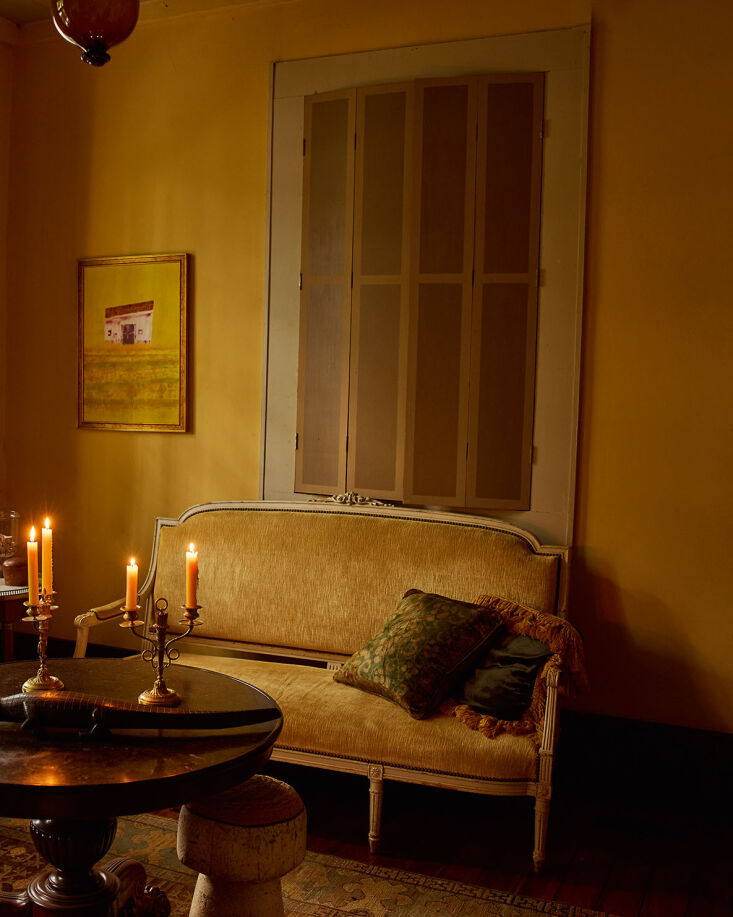
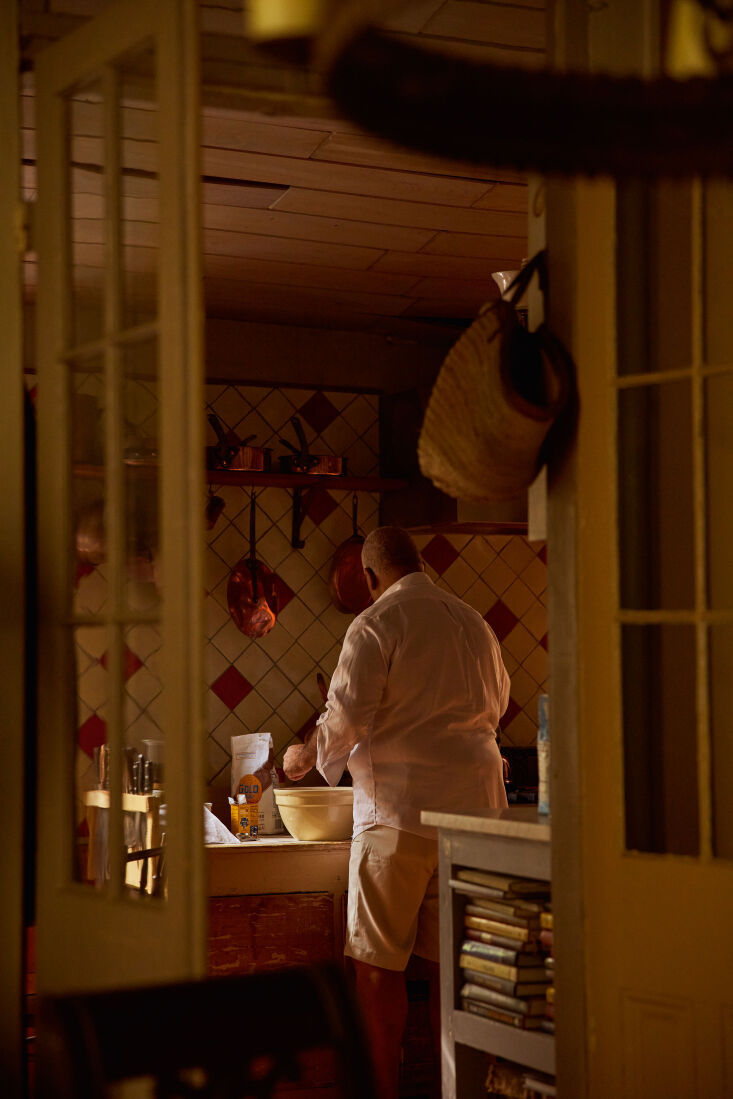
with the interiors carefully restored, kerry furnished each room with antique f 21
Above: With the interiors carefully restored, Kerry furnished each room with antique finds—many of them transported back from sourcing trips to France, where his great-grandmother is from. In the kitchen is a 19th-century wooden pastry table with a marble top, found on one such trip; Kerry, an avid baker, had it shipped all the way home to Louisiana.
also in the kitchen: a generous copper sink. 22
Above: Also in the kitchen: a generous copper sink.
The City Cottage A 19thCentury Home in New Orleans Keeps Its Cool portrait 8 23
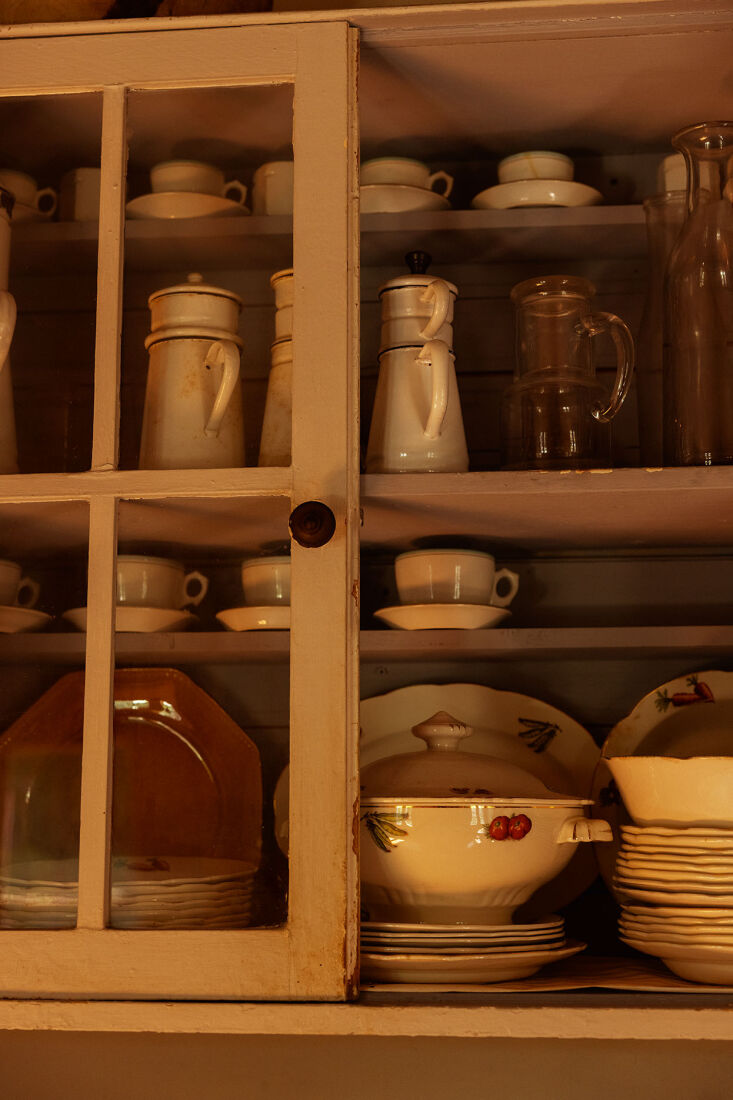
Above: Collected dinnerware.
kerry at home. he&#8\2\17;s also converted the upstairs loft space into a b 24
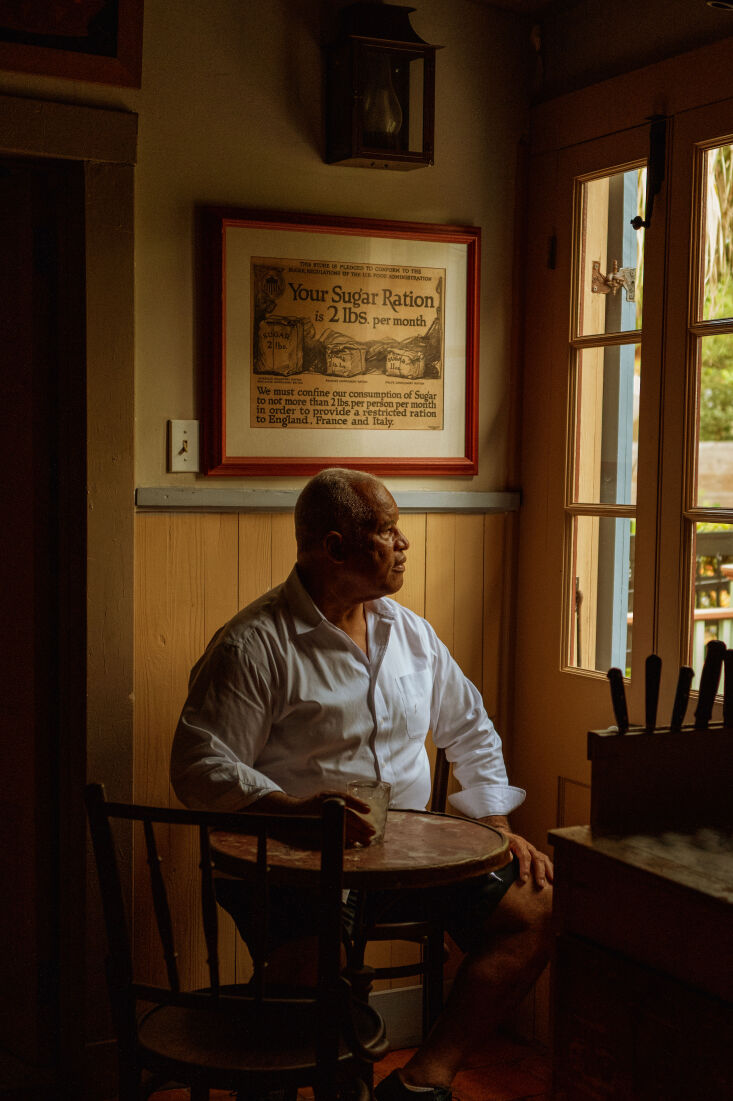
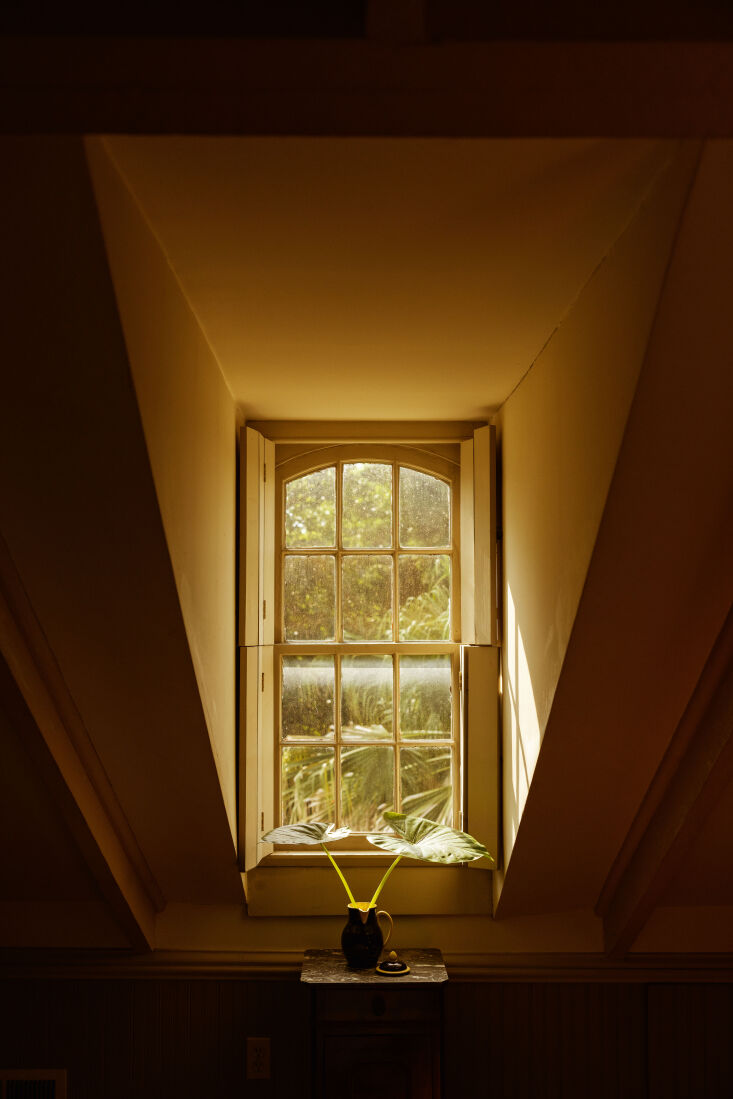
Above: Kerry at home. He’s also converted the upstairs loft space into a bedroom and bathroom that he says is “just magical, especially when it rains.”
when katrina hit in \2005, kerry needed to leave quickly, leaving behind his be 25
Above: When Katrina hit in 2005, Kerry needed to leave quickly, leaving behind his beloved home and antique pieces, in particular an oil painting he’d wanted to take with him of a young Creole man he’d found, lost, and found again, almost impossibly, in France. When the floodwaters subsided, he returned home to find his cottage untouched. Twenty years on, it continues to be a refuge in the city.  ‘That’s what’s so wonderful about old houses,” Kerry told Nell and Rachel. “They really take care of you.”

For more on the book, see our feature Required Reading: Life Inside a Cottage, from the UK to Japan. There are so many more cottages in its pages than what we’ve covered here; Life Inside a Cottage is available from Barnes & Noble, or check your local bookseller for a copy.

Plus, more in NoLA:

(Visited 112 times, 112 visits today)
You need to login or register to view and manage your bookmarks.

Have a Question or Comment About This Post?

Join the conversation

v5.0