

Terrazzo, the speckled, indestructible flooring of airports and old apartment lobbies, is a creative reuse star: it was developed in the 15th century by Venetian marble workers who embedded stone remnants in clay to pave terraces—hence terrazzo. In 20th century America, the finish was made of stone chips and cement polished with an electric grinder—look down at Radio City Music Hall, the Washington Monument, and the Hollywood Walk of Fame. In recent years, epoxy and polyacrylic binders came in, making the material more versatile and popular again—if less environmentally friendly.
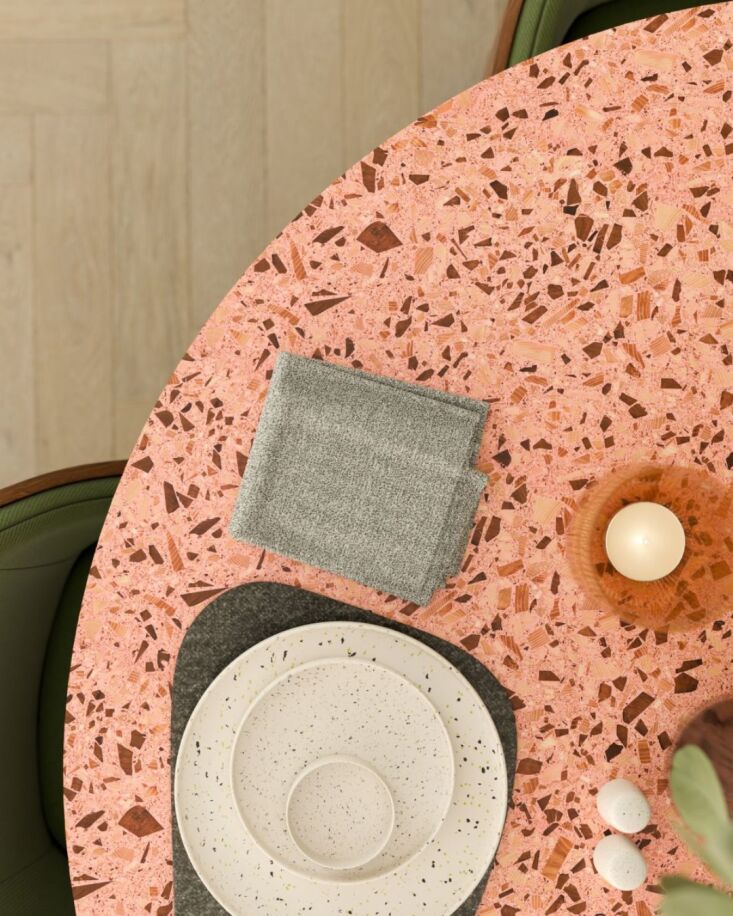
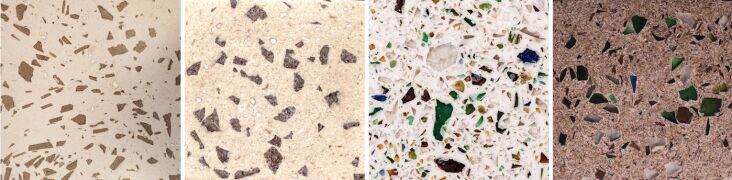
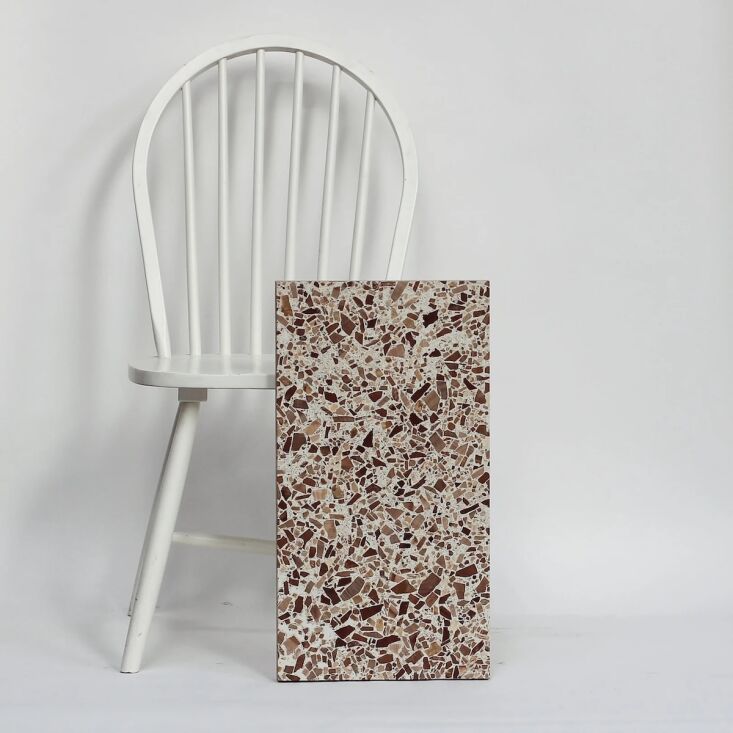
We recently featured a West London kitchen–see Party in the Back—that opened our eyes to a sustainable, newish terrazzo spinoff composed of wood scraps bound in bio-based resin. Two UK companies currently offer what one calls Timber Terrazzo and the other TreeAzzo. Made by hand for use as counters, backsplashes, and flooring, they’re available in a wide range of colors, all durable, scratch-resistant, and patterned in a confetti of wood castoffs.
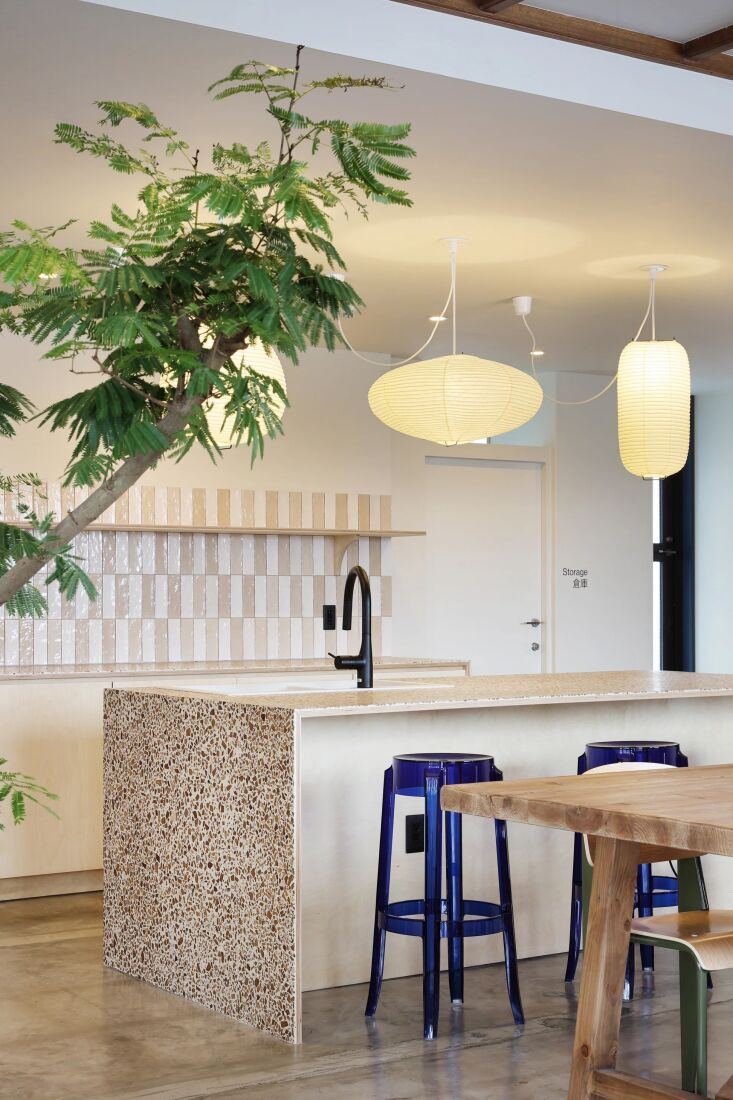
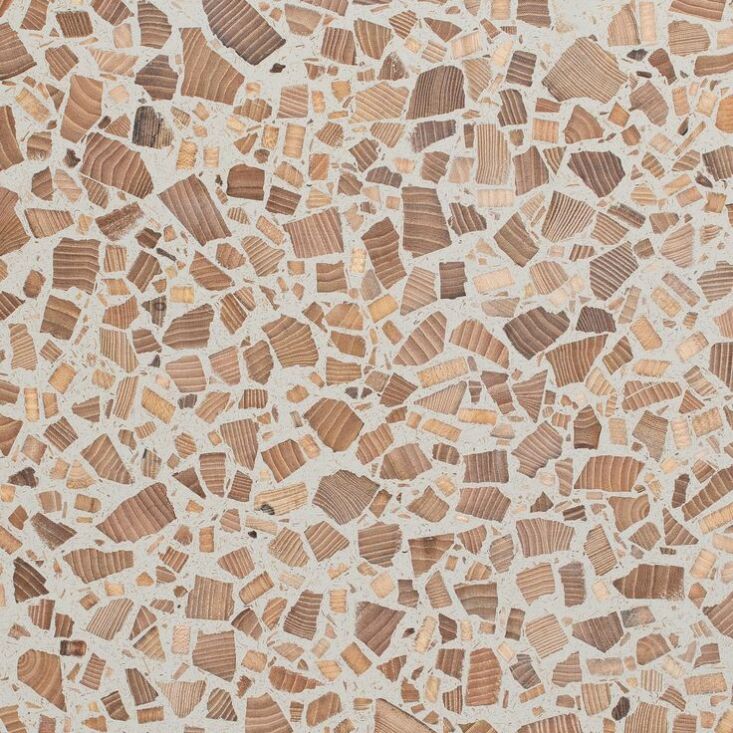
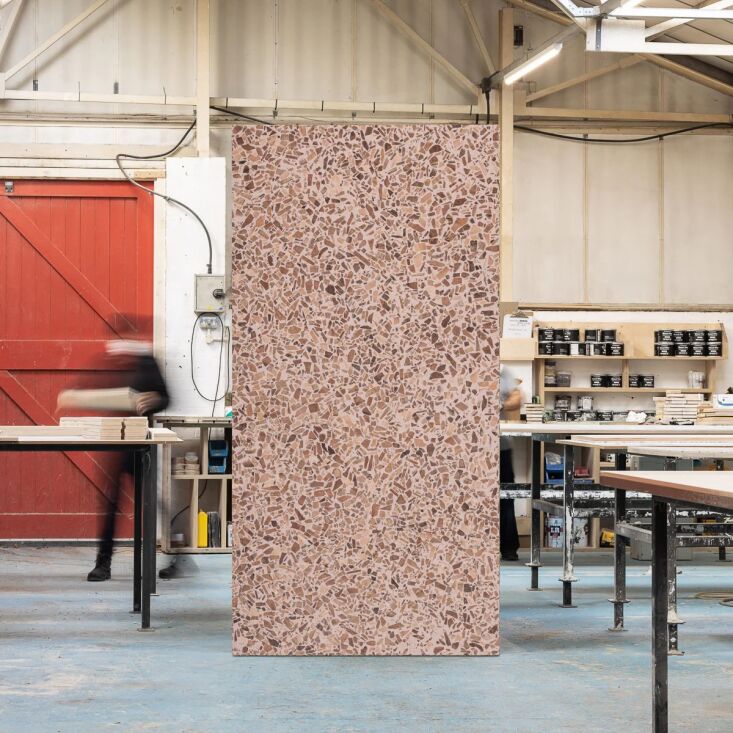
No two sheets of wood terrazzo are exactly alike. After the resin and wood are mixed, they’re left to cure then sanded to expose the wood, polished, and finished with a food-safe, natural hard wax oil or lacquered for use in high-traffic area. Unlike stone-based terrazzo, wood terrazzo can be drilled or cut to size with wood-working tools. Foresso uses a CNC machine to make tongue-and-groove flooring and wall paneling.
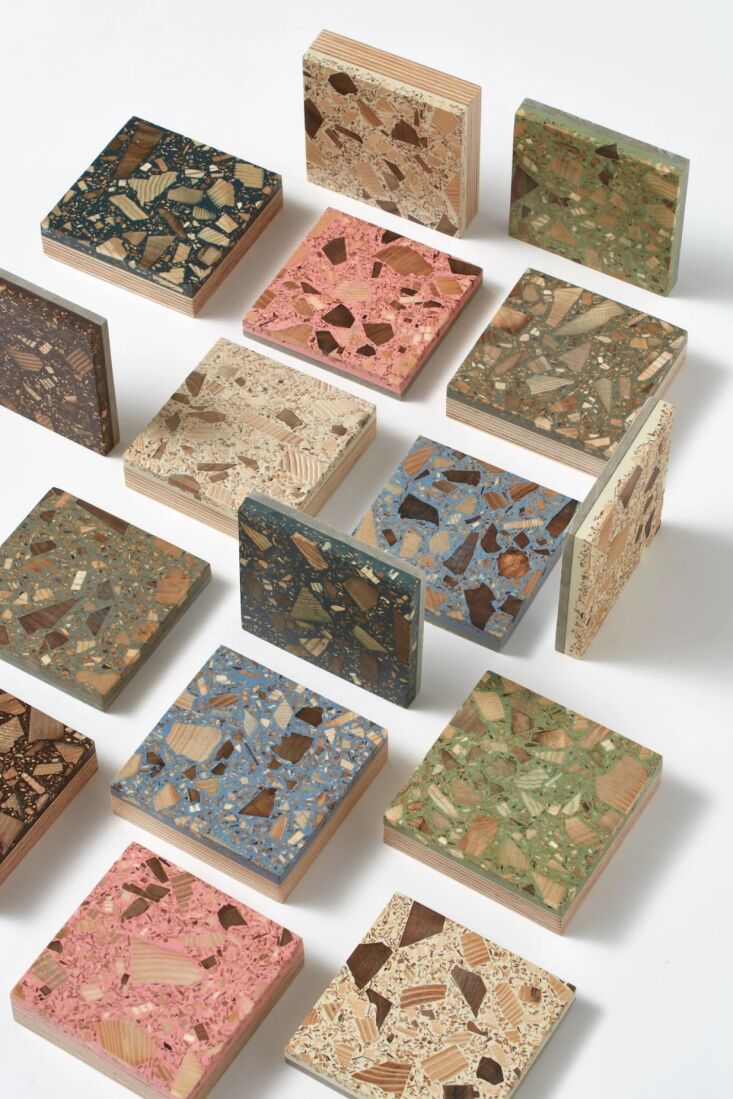
It comes with a backing of plywood or fiber cement (for use as floor or wall tiles); pricing on request. Havwoods is UK-based but available in the US and has an open-to-the-public NYC showroom at 151 West 18th Street.
Based in Río Piedras, San Juan, Puerto Rico, the design studio is led by Ana Cristina Quiñones who is currently “on a pause with a purpose”: she recently had a baby.
For much more information on eco-friendly living and resources, have a look at our book Remodelista: The Low-Impact Home. Also see:
- Remodeling 101: Hemp May Be the World’s Greenest Building Material
- Expert Advice: 10 Best Eco Practices for Home Building and Remodeling Projects from Dirty Girl Construction
- Unbuilt: A Resale Marketplace for Unused Residential Construction Goods



Have a Question or Comment About This Post?
Join the conversation