A Modern Monastery rslev Monastery Work Refuge in Hjslev Denmark portrait 2 Icon - Arrow LeftAn icon we use to indicate a rightwards action. Icon - Arrow RightAn icon we use to indicate a leftwards action. Icon - External LinkAn icon we use to indicate a button link is external. Icon - MessageThe icon we use to represent an email action. Icon - Down ChevronUsed to indicate a dropdown. Icon - CloseUsed to indicate a close action. Icon - Dropdown ArrowUsed to indicate a dropdown. Icon - Location PinUsed to showcase a location on a map. Icon - Zoom OutUsed to indicate a zoom out action on a map. Icon - Zoom InUsed to indicate a zoom in action on a map. Icon - SearchUsed to indicate a search action. Icon - EmailUsed to indicate an emai action. Icon - FacebookFacebooks brand mark for use in social sharing icons. flipboard Icon - InstagramInstagrams brand mark for use in social sharing icons. Icon - PinterestPinterests brand mark for use in social sharing icons. Icon - TwitterTwitters brand mark for use in social sharing icons. Icon - Check MarkA check mark for checkbox buttons.
You are reading

A Modern Monastery: Ørslev Monastery Work Refuge in Højslev, Denmark

Search

A Modern Monastery: Ørslev Monastery Work Refuge in Højslev, Denmark

February 4, 2026

We first encountered the restoration work at Ørslev Monastery through finishes company Linolie & Pigment. Founded around 1200 as a Benedictine nunnery, reformed into a Baroque manor in the 18th century, and nearly lost to decay by the early 20th, the structure that stands today is the result of centuries of adaptation—and a devotion to stewardship. That stewardship began with Countess Olga Sponneck, who saved the monastery from collapse in 1934, restoring the building and, by the early 1960s, shifting its purpose into a creative work refuge. Today, under the direction of Janne Fruergaard Keyes, a medieval archaeologist dedicated to preservation and living use, the most recent restoration continues that tradition.

Rather than imposing a fresh surface, the work focuses on continuity: repairing what exists, revealing what has been obscured, and selecting finishes for integrity. Linseed oil paints and historical pigments were chosen for their compatibility—materials that breathe with centuries-old masonry, timber, and plaster, and that reinforce the monastery’s original character.

At present, Ørslev Monastery functions as a creative residence, inhabited by writers, artists, scholars, and musicians who come for long stretches of focused attention. That use feels natural to the architecture: shared spaces with monastic precedent and small rooms that encourage concentration. Bringing a historic building like this into the future requires a precise recipe: two parts respect for craftsmanship and one part innovation. Here, we walk through the halls and grounds of Ørslev Monastery for a closer look.

Photography by Helene Høyer Mikkelsen for Linolie & Pigment.
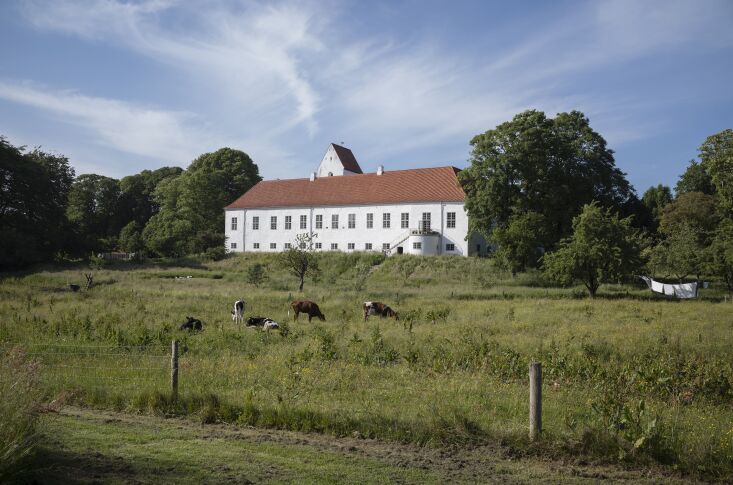
the monastery sits within a historic landscape shaped by forest, meadow, and fo 17
Above: The monastery sits within a historic landscape shaped by forest, meadow, and former agricultural land.
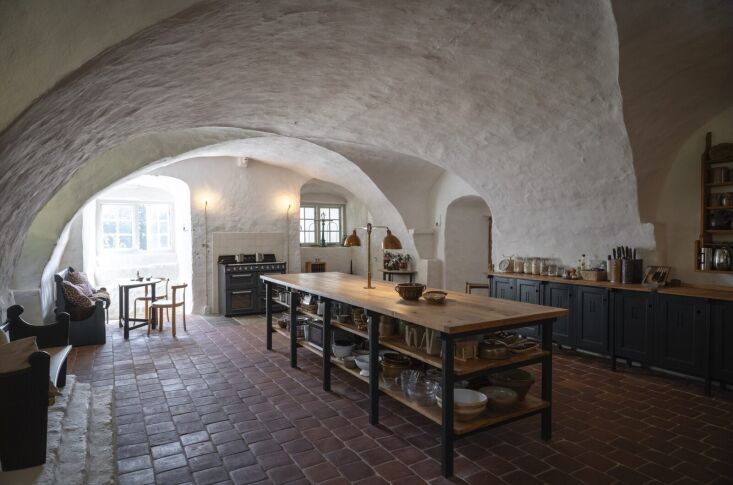
vaulted ceilings in the former service spaces date back to the medieval period  18
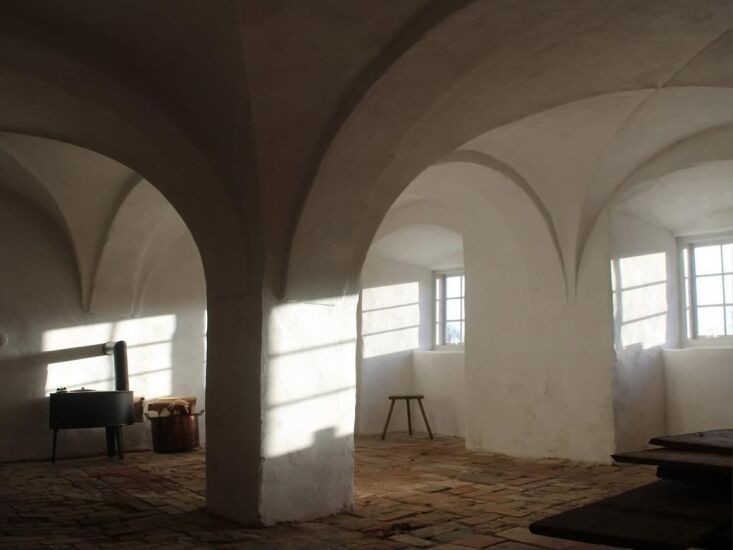
Above: Vaulted ceilings in the former service spaces date back to the medieval period and were carefully repaired rather than redone.
linolie & pigment supplied custom mixed linseed oil colors based on histori 19
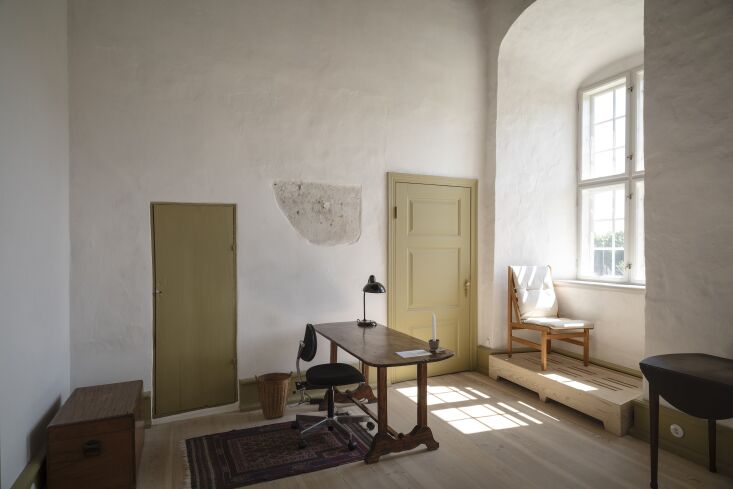
Above: Linolie & Pigment supplied custom-mixed linseed oil colors based on historic pigments coordinated with architects and conservators to find balance between preservation and renewal.
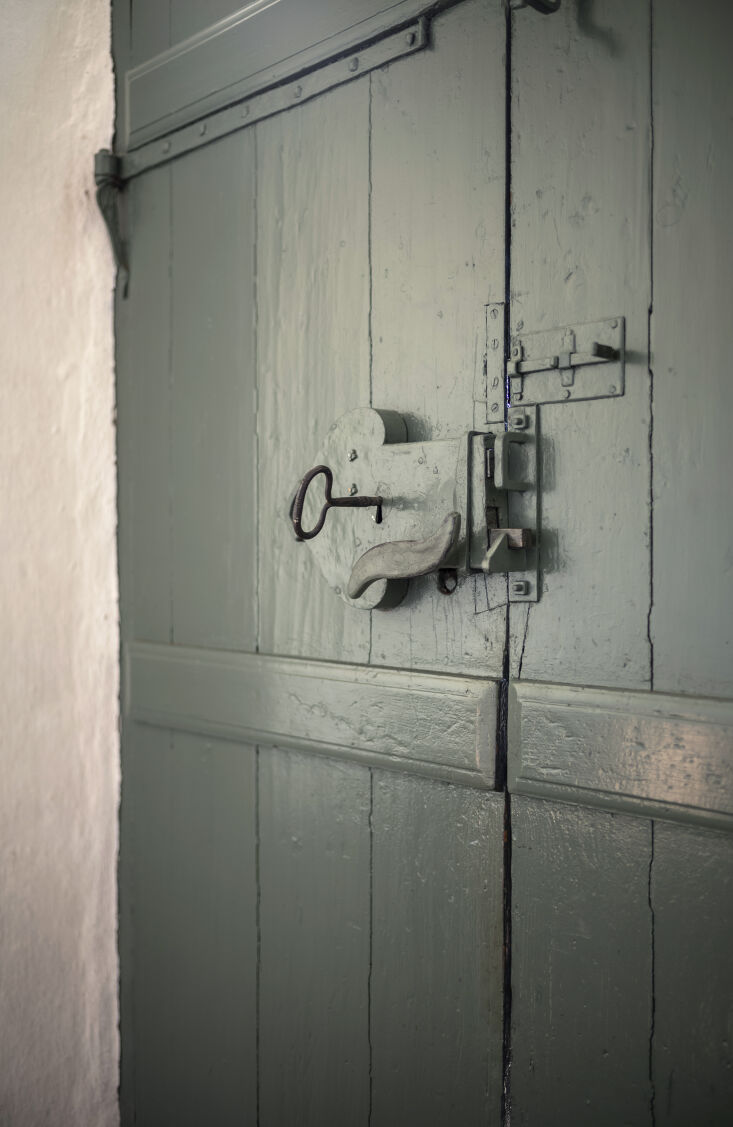
while the paint colors are custom to the project, a similar shade to that seen  20
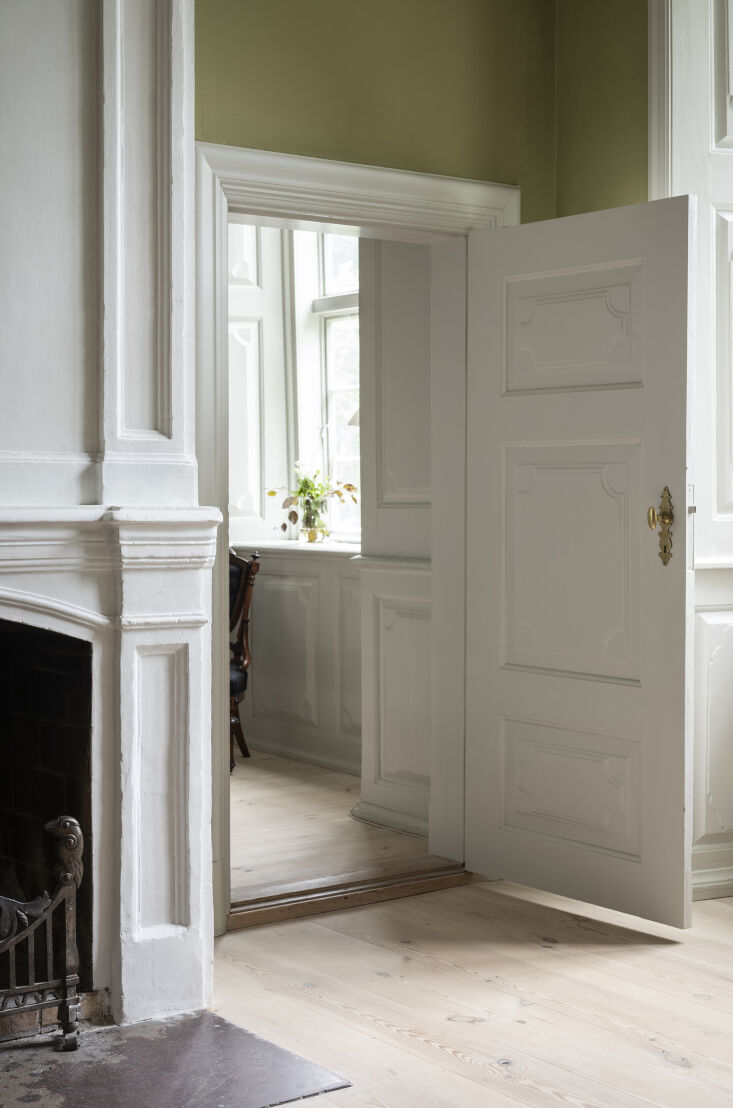
Above: While the paint colors are custom to the project, a similar shade to that seen here is Brobygger 23.
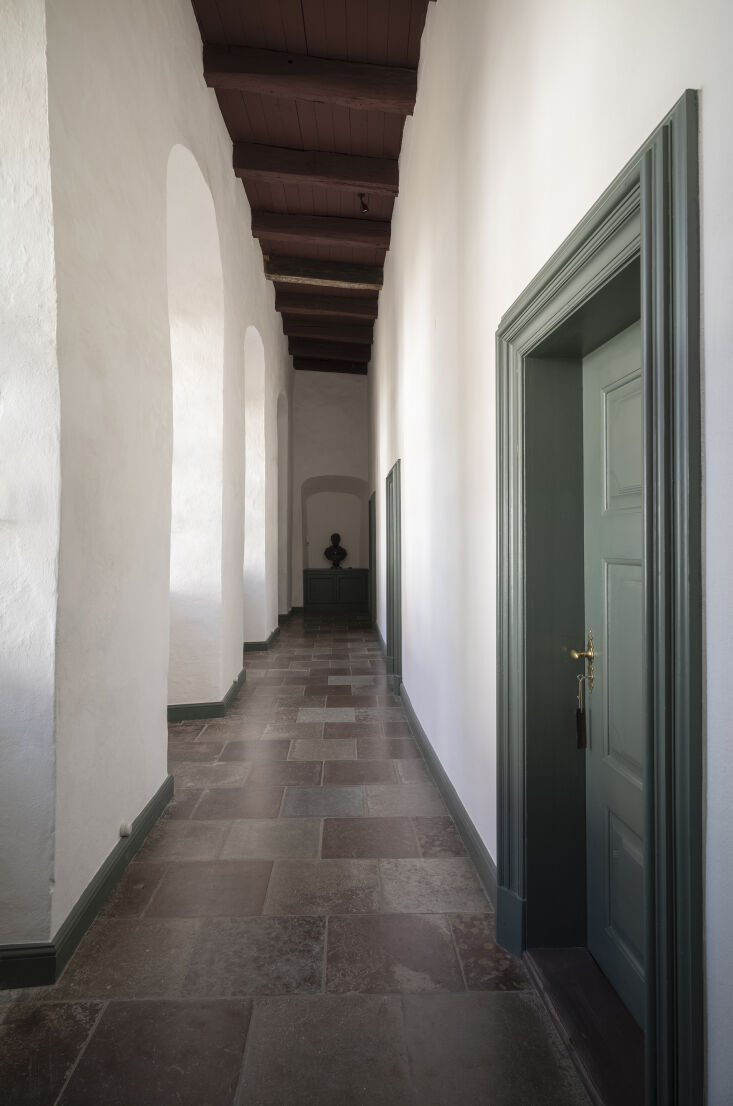
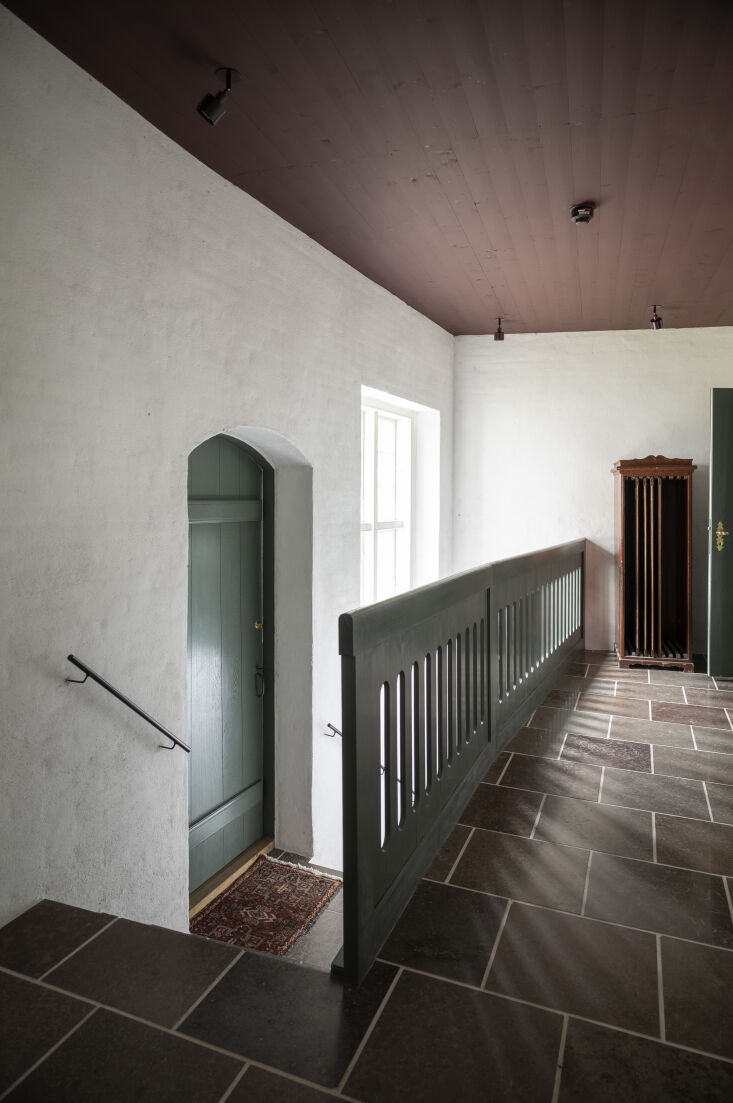
original stone and brick floors were retained wherever possible, repaired with  21
Above: Original stone and brick floors were retained wherever possible, repaired with traditional methods rather than replaced. A similar shade to that applied to the ceiling here is 68 Erindring.
since \1969, Ørslev monastery has functioned as one of scandinavia&#8\2\17 22
Since 1969, Ørslev Monastery has functioned as one of Scandinavia’s longest-running creative residences. Guests stay for extended periods, often weeks or months at a time working on a defined project and scope.
the bath adjacent to monastery rooms is fitted with traditional fixtures and a  23
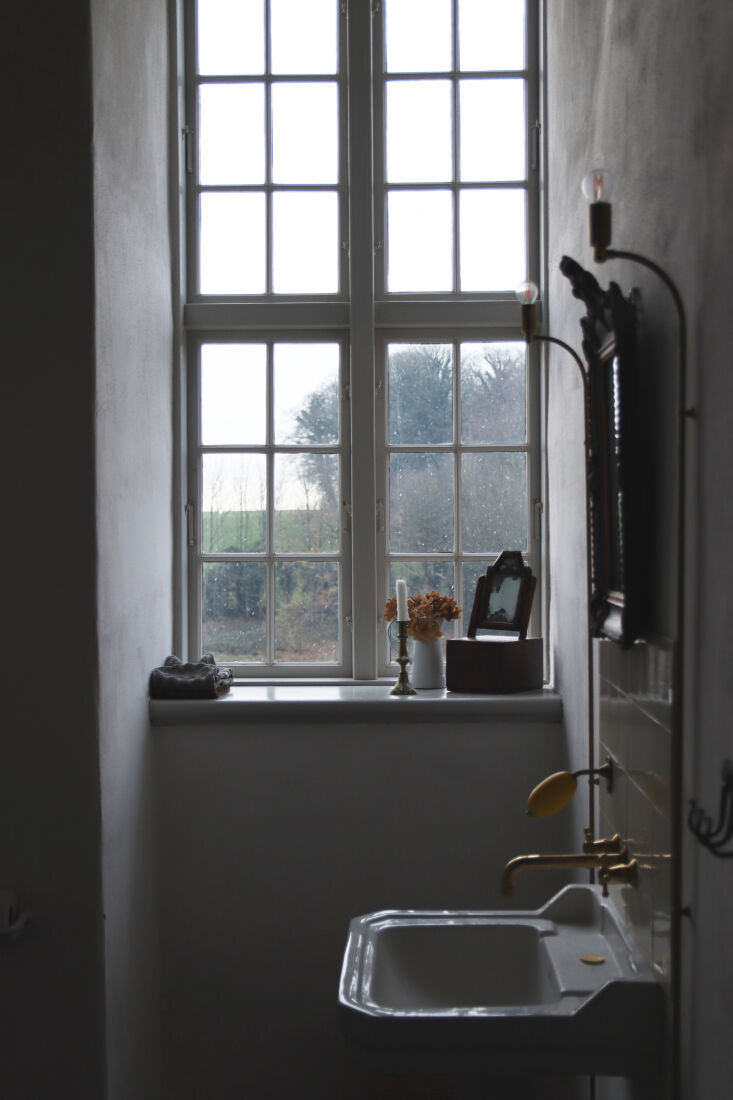
Above: The bath adjacent to monastery rooms is fitted with traditional fixtures and a Provendi soap and holder.
linseed oil paint was chosen for its durability and permeability, allowing old  24
Above: Linseed oil paint was chosen for its durability and permeability, allowing old masonry to continue breathing. A similar shade to that seen here is Spiring 97.
a key to the historic renovation and palette. 25
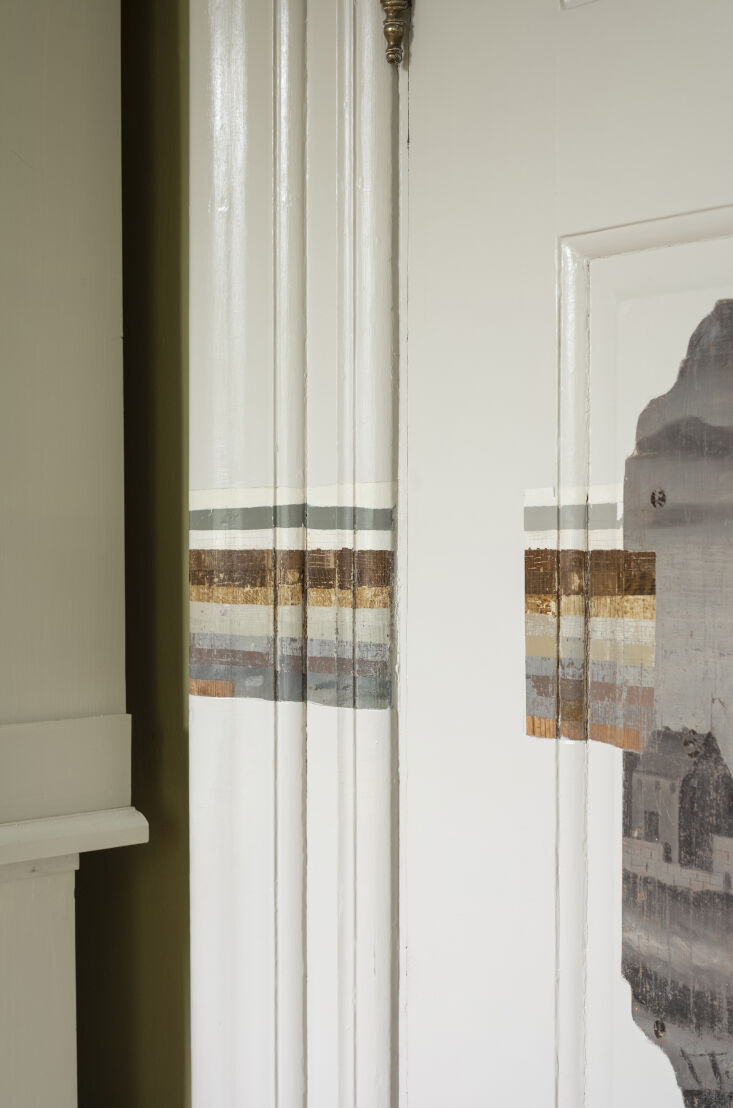
Above: A key to the historic renovation and palette.
traces of masonry remain intentionally visible beneath layers of limewash, mark 26
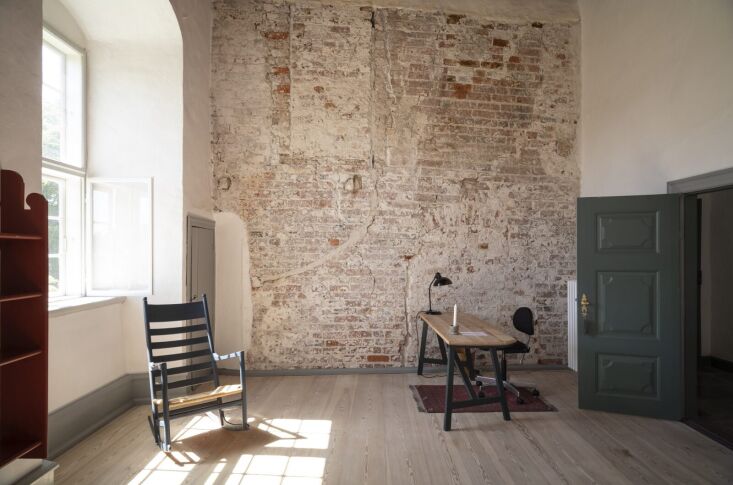
Above: Traces of masonry remain intentionally visible beneath layers of limewash, marking earlier building phases.
a bold custom shade of yellow was applied to this bedroom wall. a similar shade 27
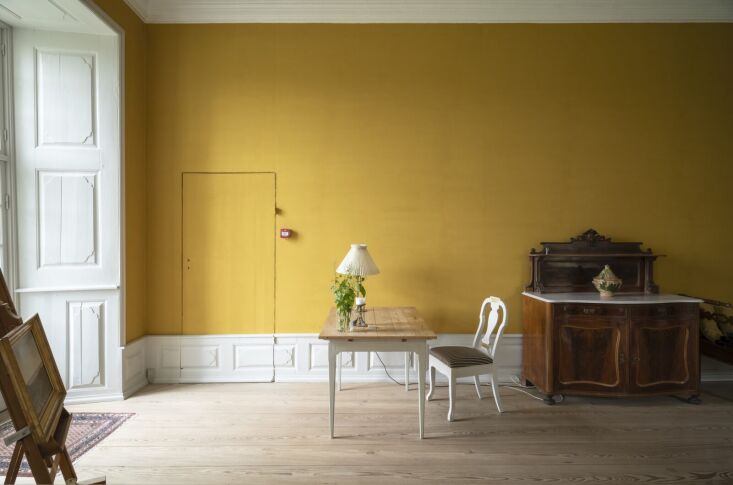
Above: A bold custom shade of yellow was applied to this bedroom wall. A similar shade is Strandgul 86.
many of the monastery&#8\2\17;s walls measure nearly a meter thick, creatin 28
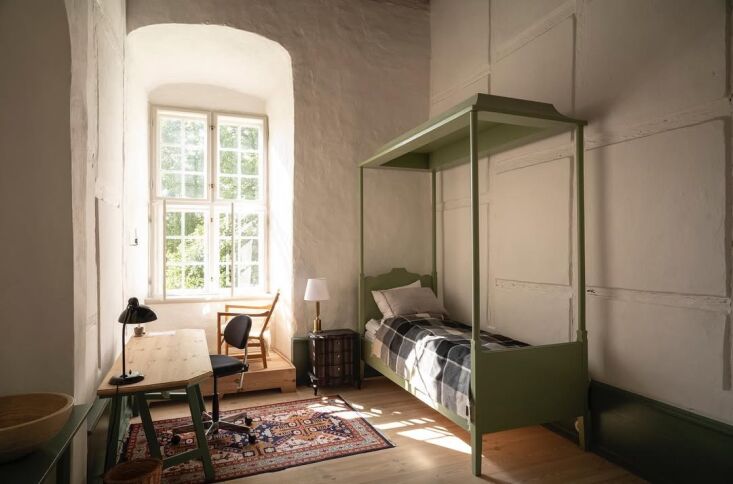
Above: Many of the monastery’s walls measure nearly a meter thick, creating deep window reveals and a natural thermal buffer. Much of the existing historic furniture, such as the canopy single bed seen here, were restored with linseed paint (a similar color is Essentielt 7).
in the \18th century, the complex was adapted into a baroque manor without eras 29
Above: In the 18th century, the complex was adapted into a Baroque manor without erasing its medieval core.

For more historic Danish spaces, see our posts:

(Visited 8,065 times, 194 visits today)
You need to login or register to view and manage your bookmarks.

Have a Question or Comment About This Post?

Join the conversation

v5.0