

Forty-five minutes outside Copenhagen, surrounded by the fields and forests of Humleore, Food Studio Farm House is a country retreat built around the pleasure of food, nature, and gathering. Food Studio hosts everything from long lunches and dinners in the garden to weddings, workshops, and celebrations, with the landscape—and increasingly, the Farm House’s own regenerative farm—playing an integral role.
At the heart of it all is a distinctly unfussy approach to hospitality. Long tables encourage conversation; vegetables double as decoration; meals might begin with a walk through the fields; and unpredictable Danish weather is something to accommodate rather than resist. And while Food Studio operates on a scale most of us don’t at home, the thinking behind its gatherings is surprisingly adaptable: work with what’s in season, make use of the landscape you have, and focus less on perfection than on making people feel welcome. We spoke with Food Studio creative lead Rosita Olsen about the team’s approach to outdoor entertaining—and the ideas worth borrowing for gatherings of any size. Here are six lessons to take home.
Photography courtesy of Food Studio.
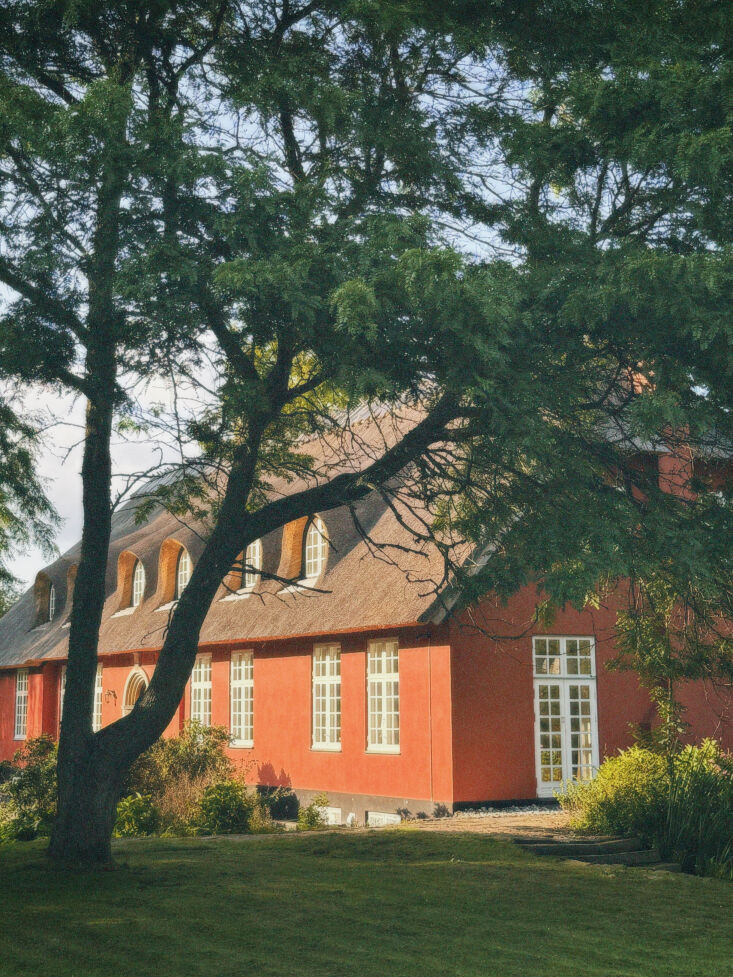
1. Let the Season Lead
Rather than beginning with a menu or a table setting, Food Studio starts with the season. “It shapes everything—from what’s on the menu to how we set the table,” says Olsen. In spring, that might mean serving the first asparagus; come late summer, roe deer might be cooked over an open fire.
The season determines the setting, too. A clear day might call for a long lunch in a meadow, while rain sends the gathering beneath a tent. “Danish weather is wonderfully unpredictable, so we’ve learned not to fight it but to prepare for it,” Olsen says. “The best outdoor events embrace the conditions rather than trying to control them.”
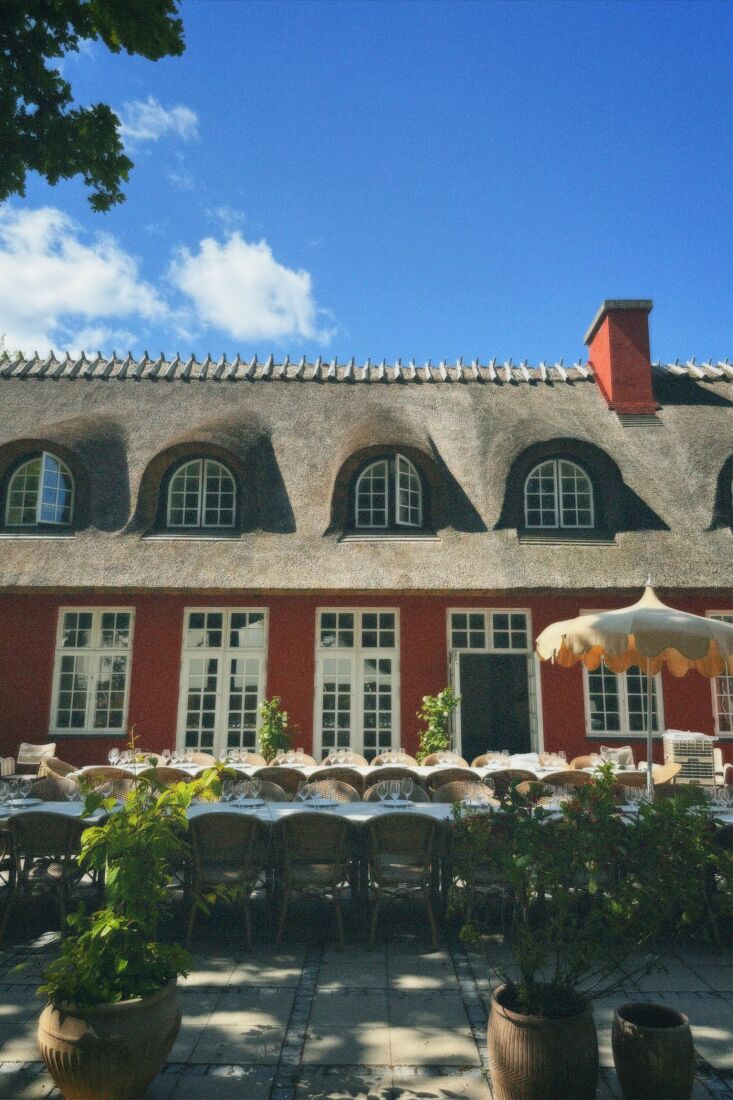
2. The Landscape Is the Party
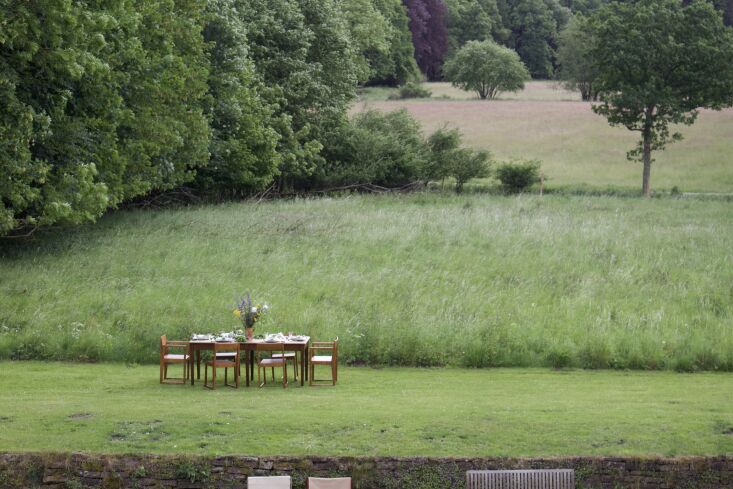
Food Studio has staged dinners in forests, on beaches, and in private gardens, but Olsen is quick to point out that a spectacular setting isn’t a prerequisite. “Hospitality matters far more than having the ‘perfect’ location,” she says. Instead, look for ways to make whatever landscape you have available part of the experience rather than simply a backdrop.
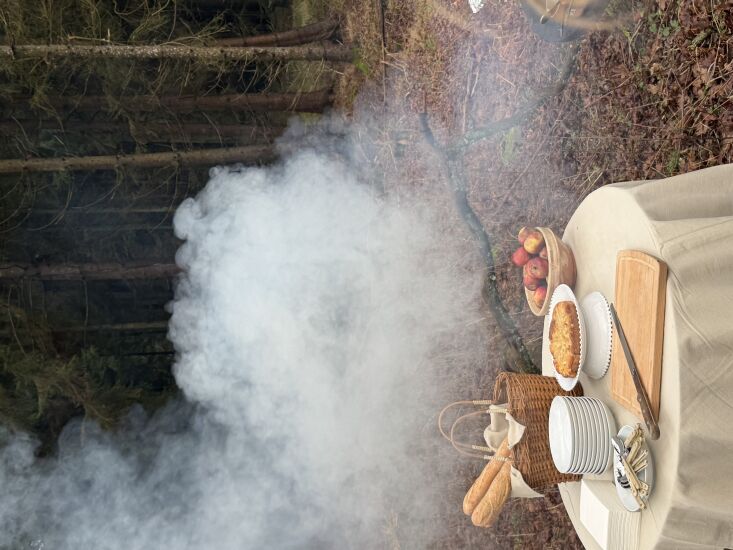
One reliable way to draw people into their surroundings? Cook outdoors. Food Studio frequently cooks over fire, which provides warmth, slows the pace of the evening, and gives guests a natural place to congregate. The team often uses OFYR grills, but Olsen says a simple fire pit can have much the same effect.
3. Think Like a Grower
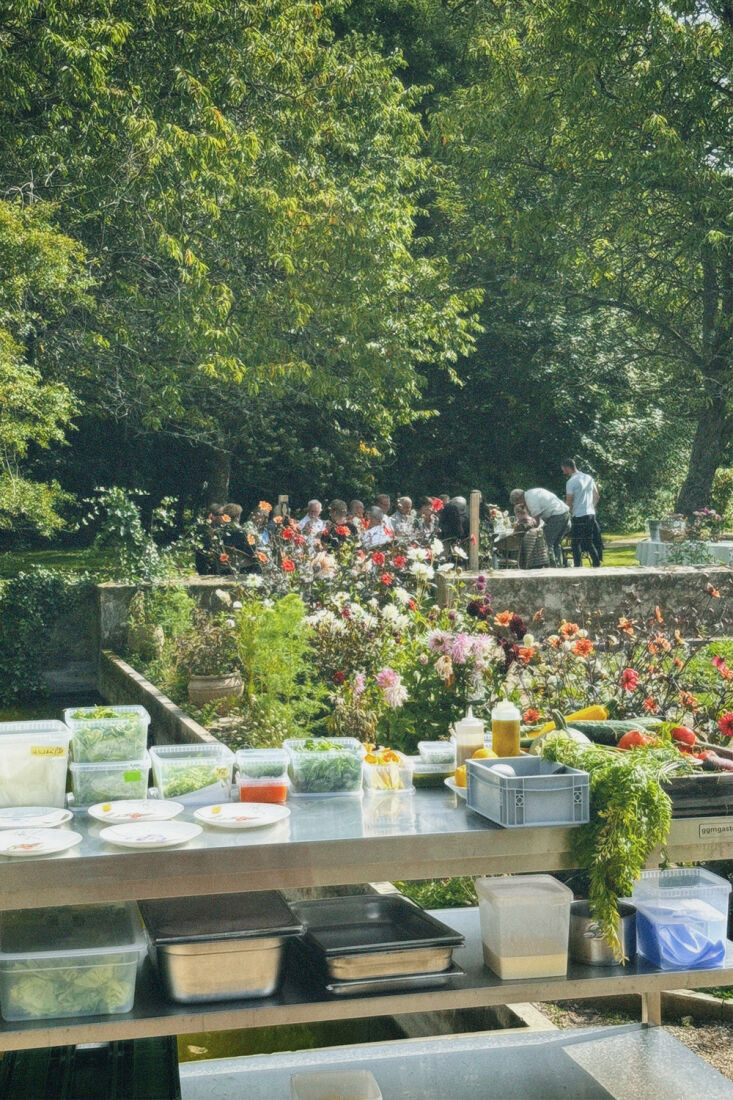
Food Studio’s developing regenerative farm grows seasonal vegetables, herbs, and edible flowers for its kitchens and events, but Olsen says you don’t need acreage to adopt the same philosophy at home. “Start by shopping locally and buying what’s naturally in season instead of planning a menu around ingredients flown in from across the world.” A farmers’ market is enough of a starting point, as is growing a few herbs, tomatoes, or edible flowers on a balcony. Better still, let one especially good ingredient determine the meal. “When the produce is at its best, you don’t have to do very much to it.”
At the Farm House, the connection goes further: guests might forage, cook together, or head into the fields before sitting down for dinner. “We want guests to understand not just what they’re eating, but where it comes from and why that matters,” Olsen says. The lesson translates on a smaller scale, too: the closer the experience of gathering is to the food itself, the more memorable the meal becomes.
4. Decorate with Dinner
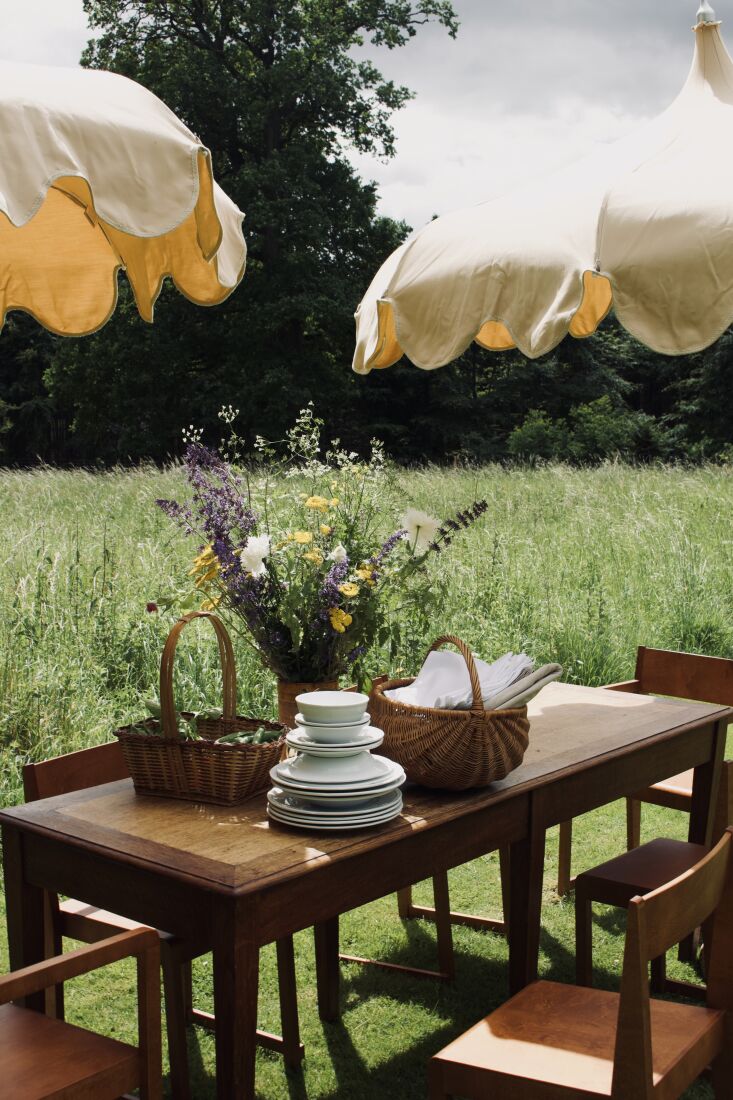
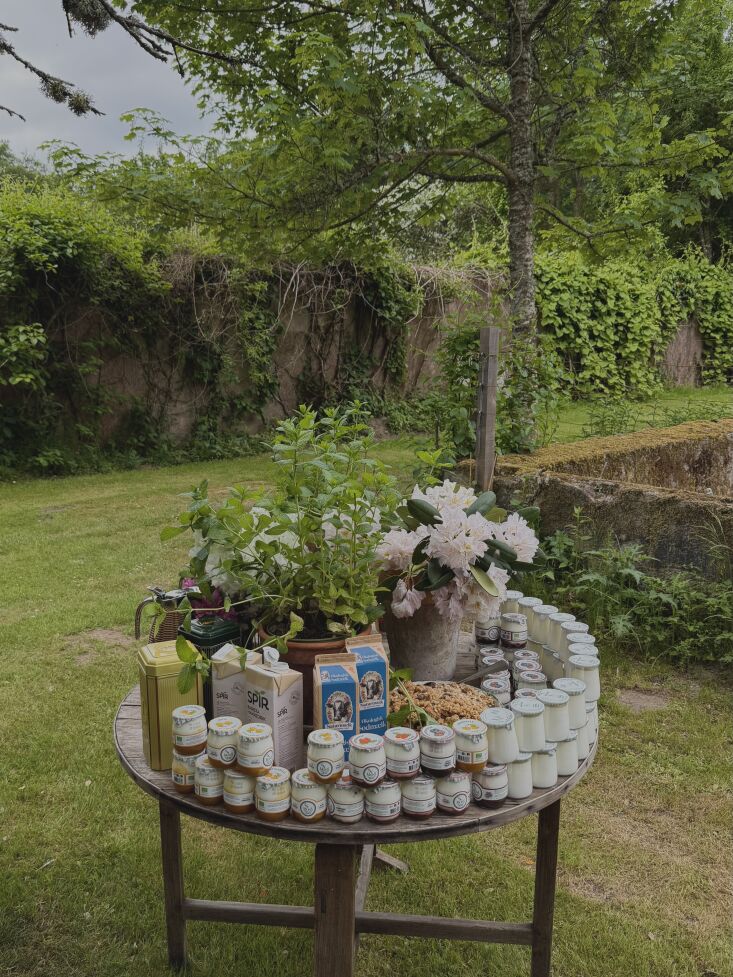
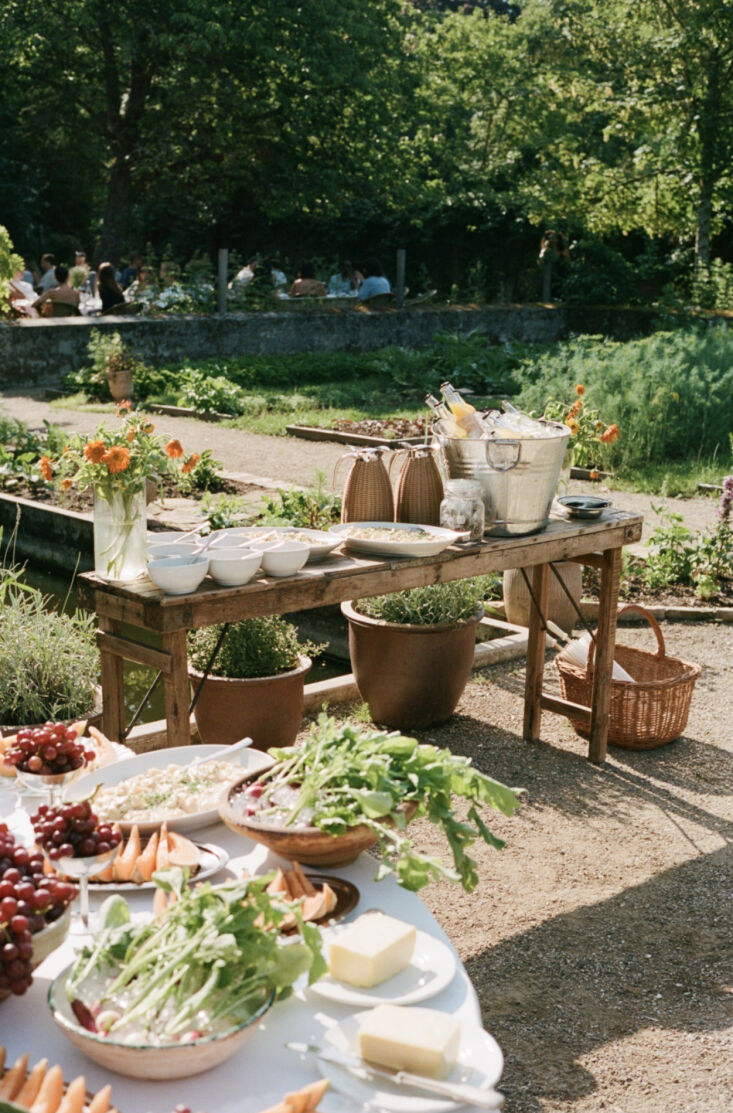
Skip the elaborate tablescape. Food Studio often decorates with the same things destined for the kitchen: “Beautiful vegetables, baskets of fruit, herbs and seasonal flowers usually create a stronger impression than elaborate styling,” says Olsen.
Again, follow what’s growing. A handful of sunflowers at the height of summer or branches gathered from the surrounding landscape can be all that’s needed. (One practical caveat from Olsen: if you’re decorating with produce, have more of it than you think you’ll need.)
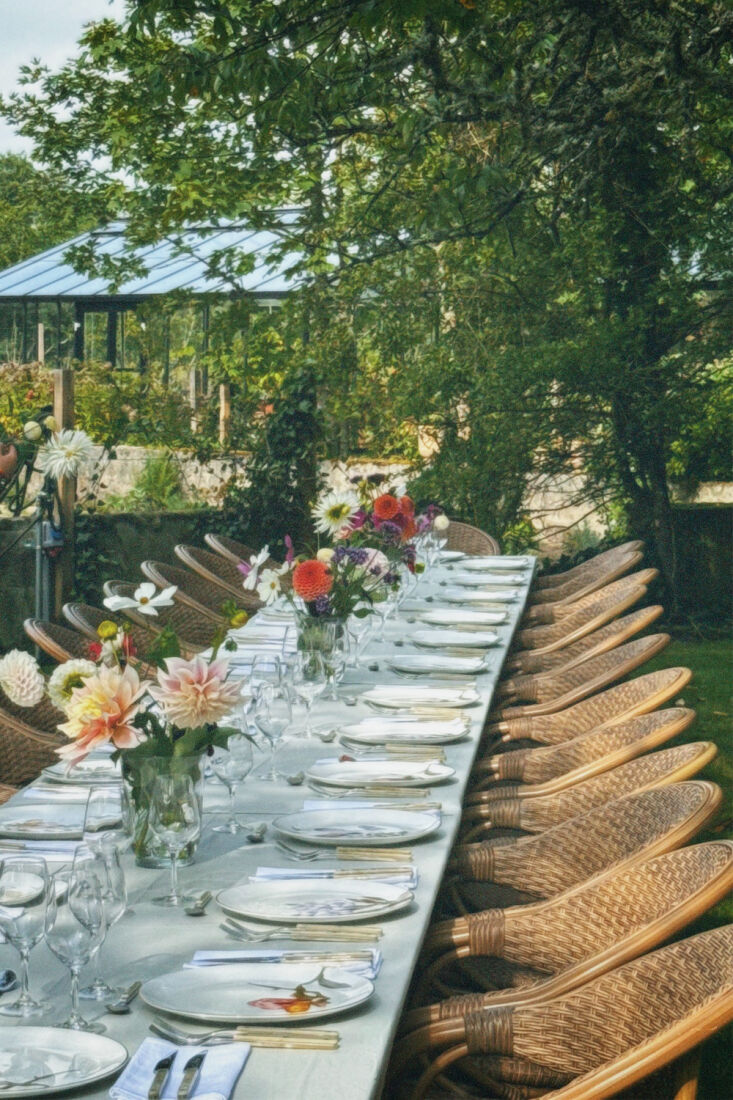
The same looseness applies to the table itself. “Our biggest rule is probably an anti-rule: don’t overthink it,” she says. Food Studio favors tables that feel collected rather than perfectly coordinated: rumpled linen, handmade ceramics, just-picked vegetables, and flowers that don’t necessarily match. “Nature isn’t perfect, and an outdoor table shouldn’t try to be either.”
5. Have a Plan B That’s as Good as Plan A
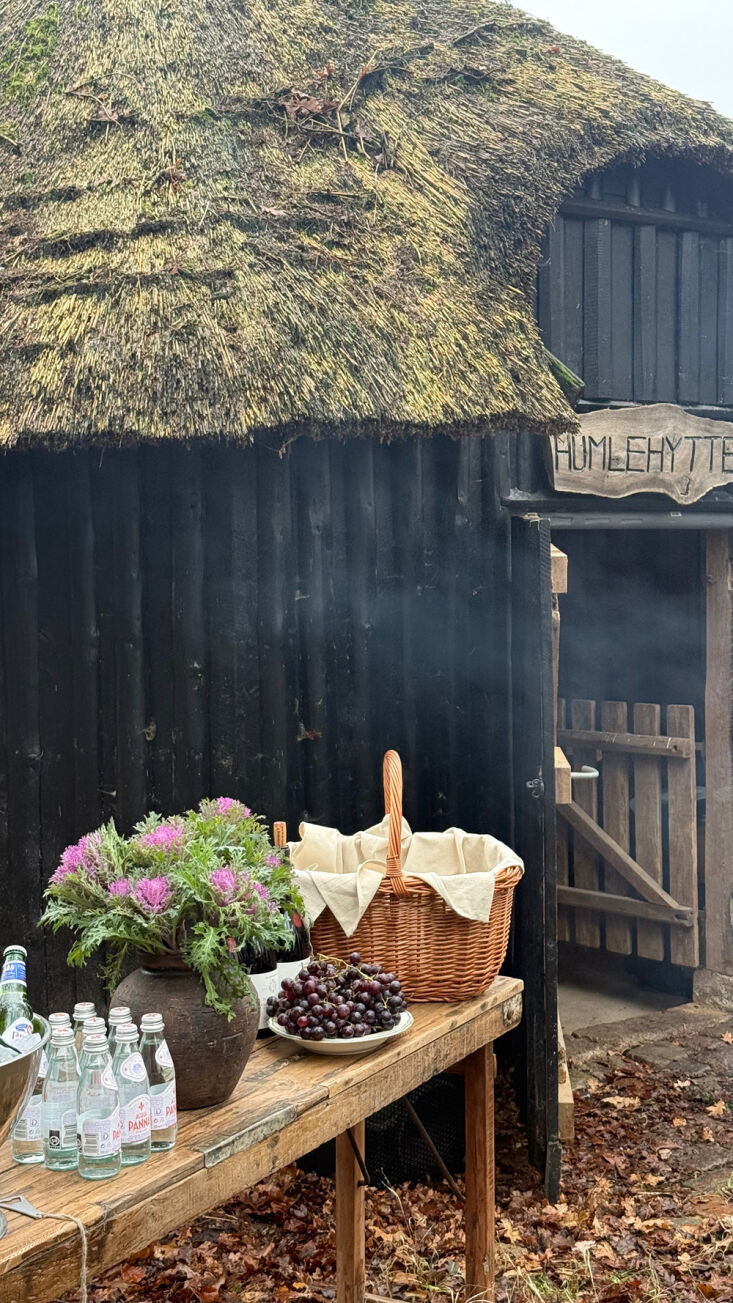
Outdoor entertaining inevitably involves relinquishing some control, but that doesn’t mean leaving everything to chance. “Preparation is everything,” Olsen says. “We always have a Plan B that feels just as intentional as Plan A.” At Food Studio, sailcloth tents provide shelter during summer, while Nordic tents fitted with wood-burning stoves extend outdoor gatherings into autumn and winter. On a domestic scale, the principle is the same: consider shelter, changing light, blankets, and a source of warmth before anyone arrives. Rather than treating these as emergency measures, make them part of the atmosphere. “If people are comfortable, they’re far more likely to relax and enjoy the moment—regardless of the weather.”
6. Hospitality, Not Perfection
For all the attention Food Studio gives to food and setting, Olsen’s most important advice has little to do with either: “Don’t try to impress your guests by doing things out of your comfort zone—make them feel at home.” For Food Studio, that starts with thinking about the people and purpose behind a gathering. A long lunch might unfold in the kitchen garden; a wedding ceremony beneath the trees; a retreat around foraging, cooking, or a fire. But the underlying intention remains the same.

Long tables are something of a Food Studio signature for precisely this reason. “We love long tables—not just because they look beautiful, but because they encourage conversation,” Olsen says. “Sitting shoulder to shoulder creates a different kind of atmosphere and intimacy.”
In the end, a successful gathering isn’t measured by how seamlessly it was styled. “People rarely remember whether every detail was perfect,” Olsen says. “They remember how they felt, the conversations they had, and whether they were made to feel welcome. Good hospitality isn’t about perfection; it’s about generosity.”
For more entertaining advice:
- Expert Advice: How to Throw a Dinner Party with Minimal Effort, from an SF Creative Director
- 10 Summer Entertaining Tips from a Hostess Extraordinaire
- Deep Casual Hosting: 5 Ideas for the Autumn Table from the Remodelista Archives
- 10 Tips for Living the French Way, from ‘Joie: A Parisian’s Guide to Celebrating the Good Life’



Have a Question or Comment About This Post?
Join the conversation