

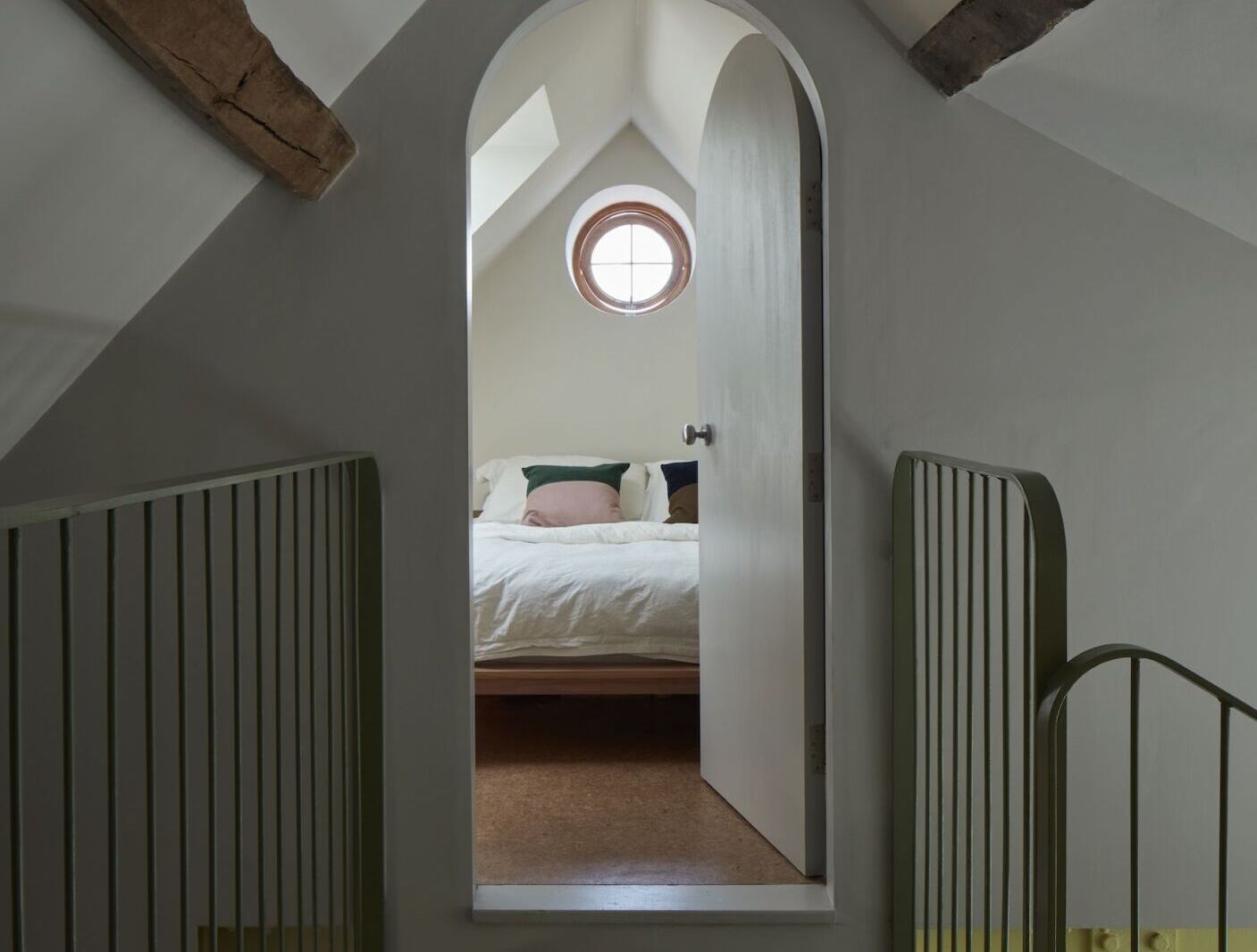
Welcome to a building with stories to tell. In the 16th century, the stately structure served as one of Somerset’s main hubs, a wool hall for trading fleece. Four hundred years later the landmark was being used as one of the UK’s premier recording studios—living quarters in the old hall, music studios added out back.
Tears for Fears owned the complex and then Van Morrison. The Cure, The Smiths, Annie Lennox, and Joni Mitchell all recorded here. The current owner, a musician and record producer who wants to remain anonymous, hired Tuckey Design Studio to perform a thorough overhaul.
Specialists in historical resuscitations with a modern-minimalist purity, the Tuckey team led by architect Mariza Daouti were tasked with rethinking the setup as a full-time family home and recording studio. It was a tall order. Despite the property’s vibrant past, here’s what they faced: “a cold and leaky stone building fragmented by poorly constructed 1980s extensions…Wool Hall had evolved into an amalgamation of many materials, eras and styles, the coherence of the original layout lost beneath layers of unsympathetic additions.”
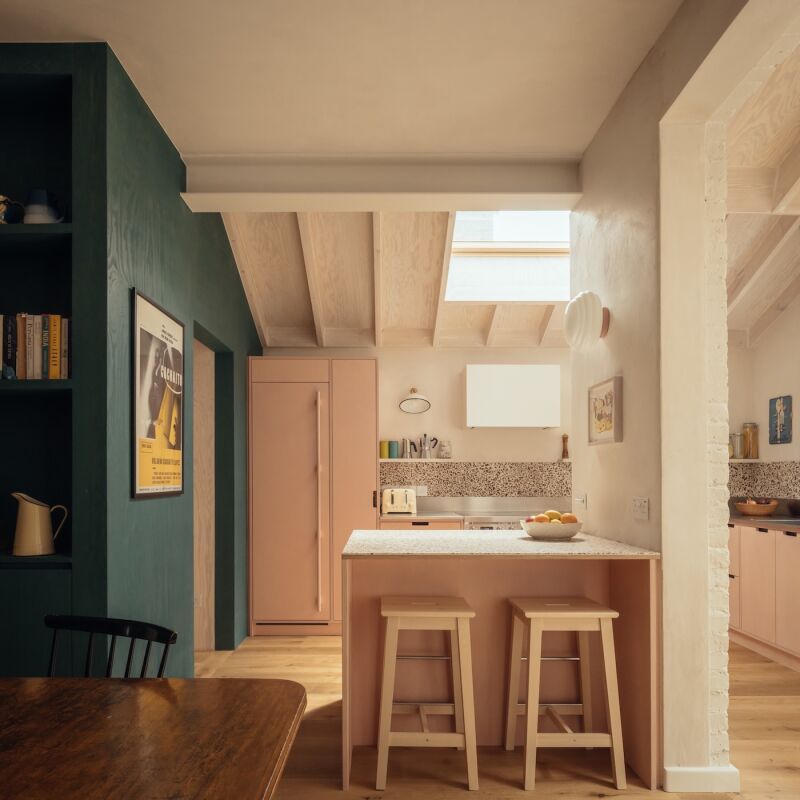
“The project was threefold, a restoration, a retrofit and an adaptive reuse,” the architects told Dezeen. “We had plenty of creative freedom due to its state of deterioration and [the addition’s] lack of architectural merit; the challenge was to make these venerable opposites distinct in their own right but complementary as part of the same home.” Many months of work later, the place is an eccentric but elegantly integrated mix spanning centuries, a little bit Elizabethan, a little bit rock ‘n roll. Let’s take a look.
Photography by James Brittain, unless noted, all courtesy of Tuckey Design Studio.
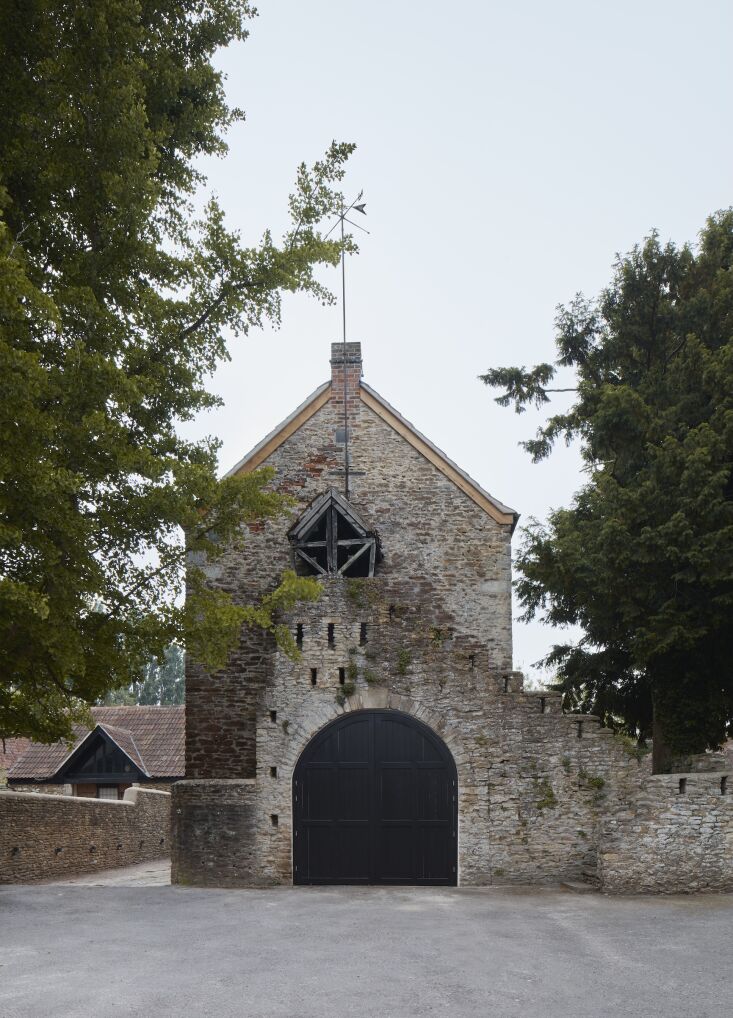
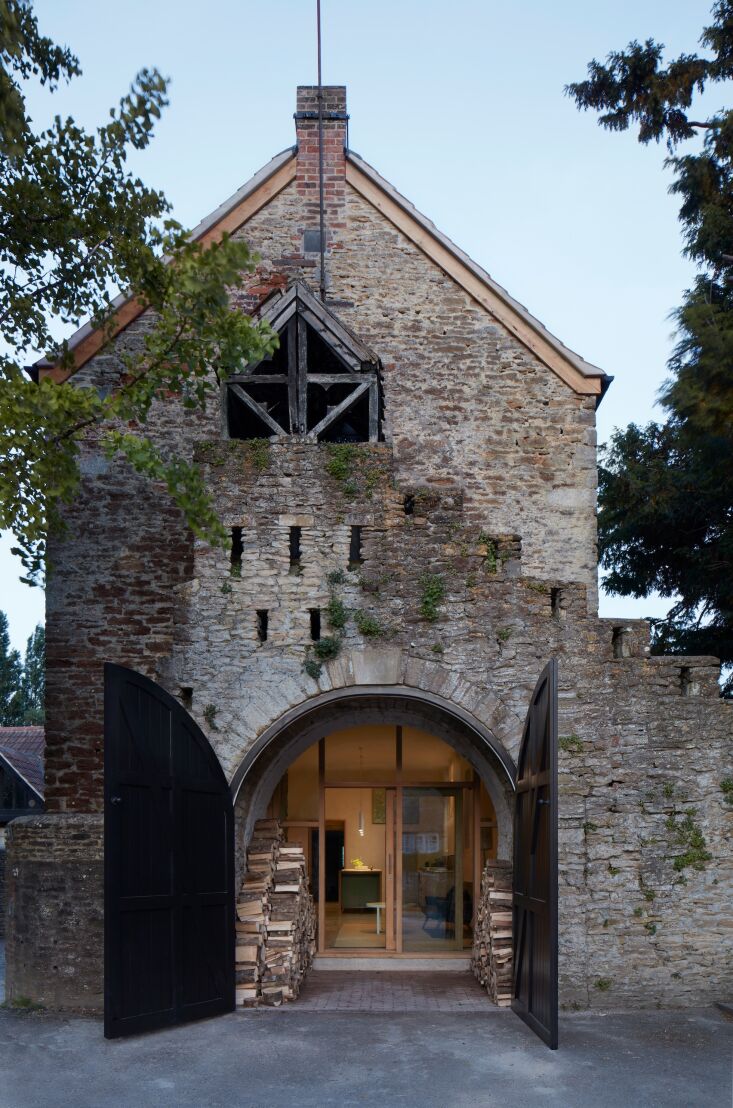
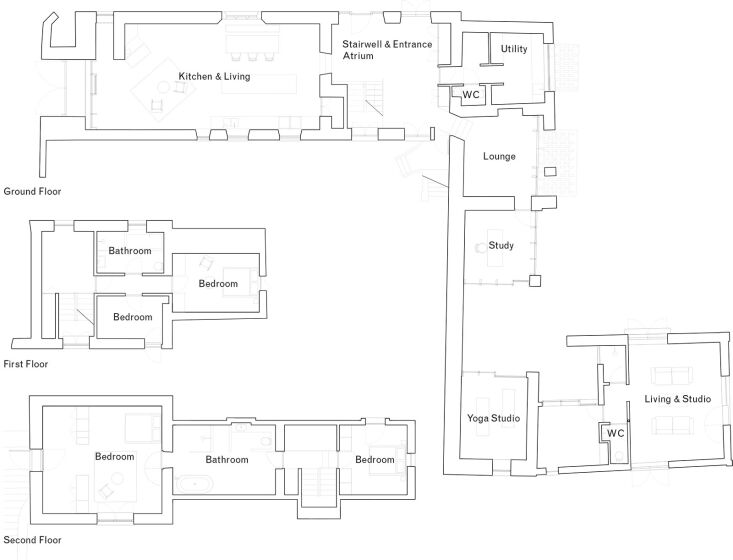
“The buildings were organized in an enfilade of rooms, starting from the historic entrance and following the historic ‘Z’ wall, which was largely hidden behind layers of plasterboard added by later extensions,” explain the designers. Described as ‘train-carriage-like’ by the architecture studio’s founder, Jonathan Tuckey, the decision was taken to “break up this rigid layout by introducing a main entrance where old meets new.”
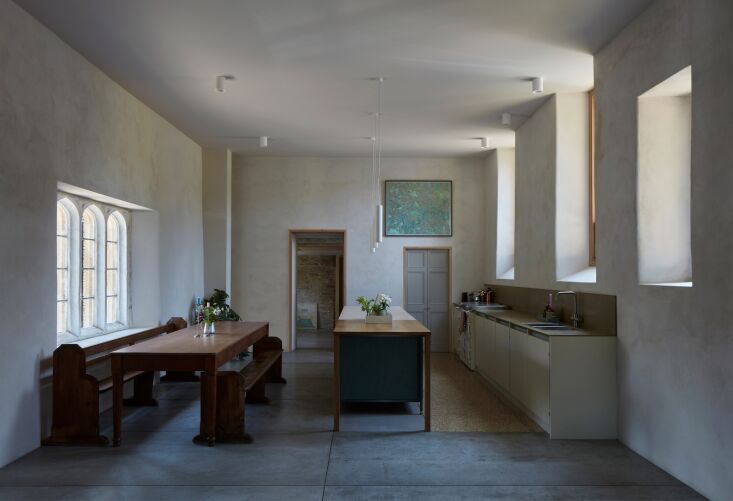
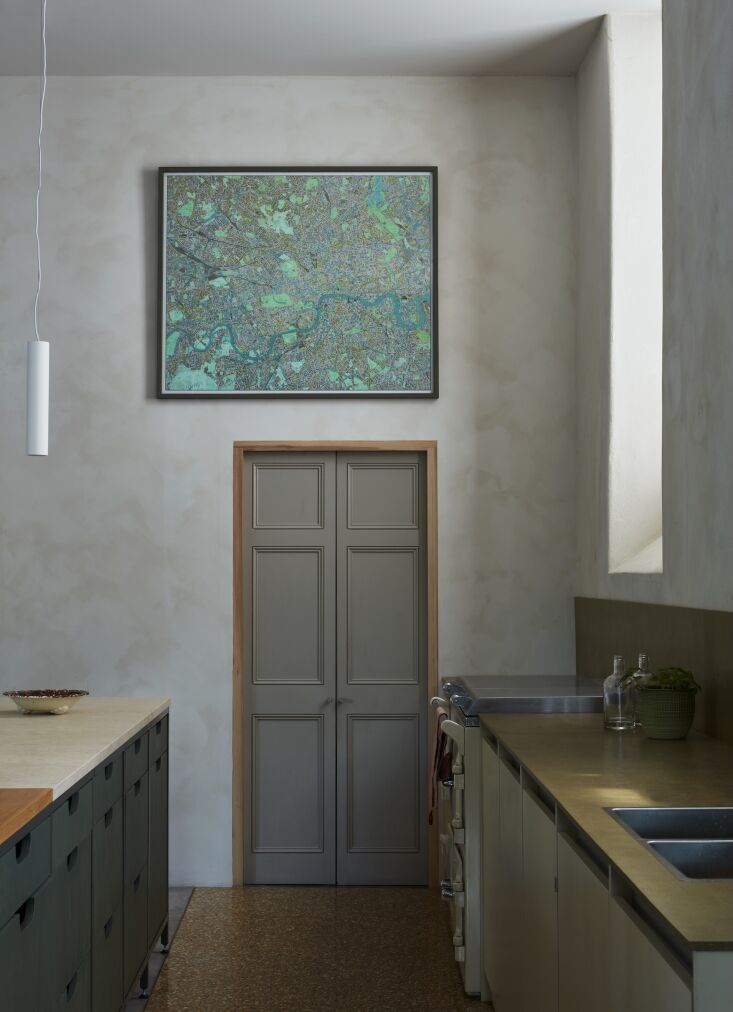
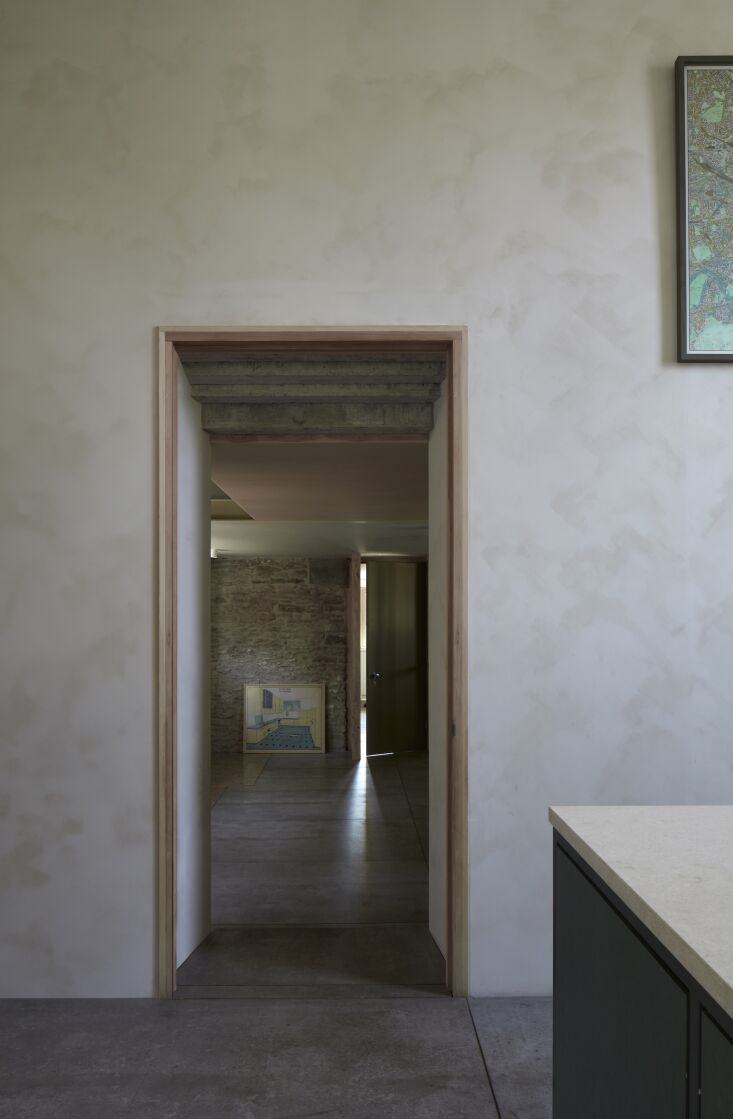
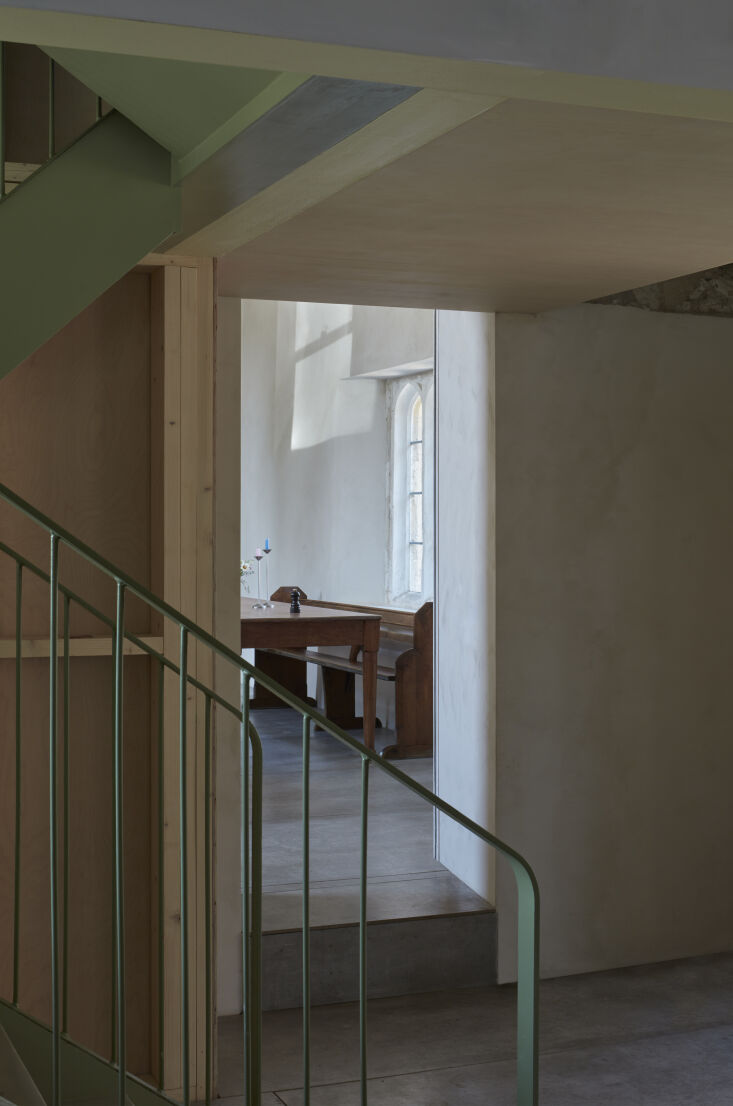
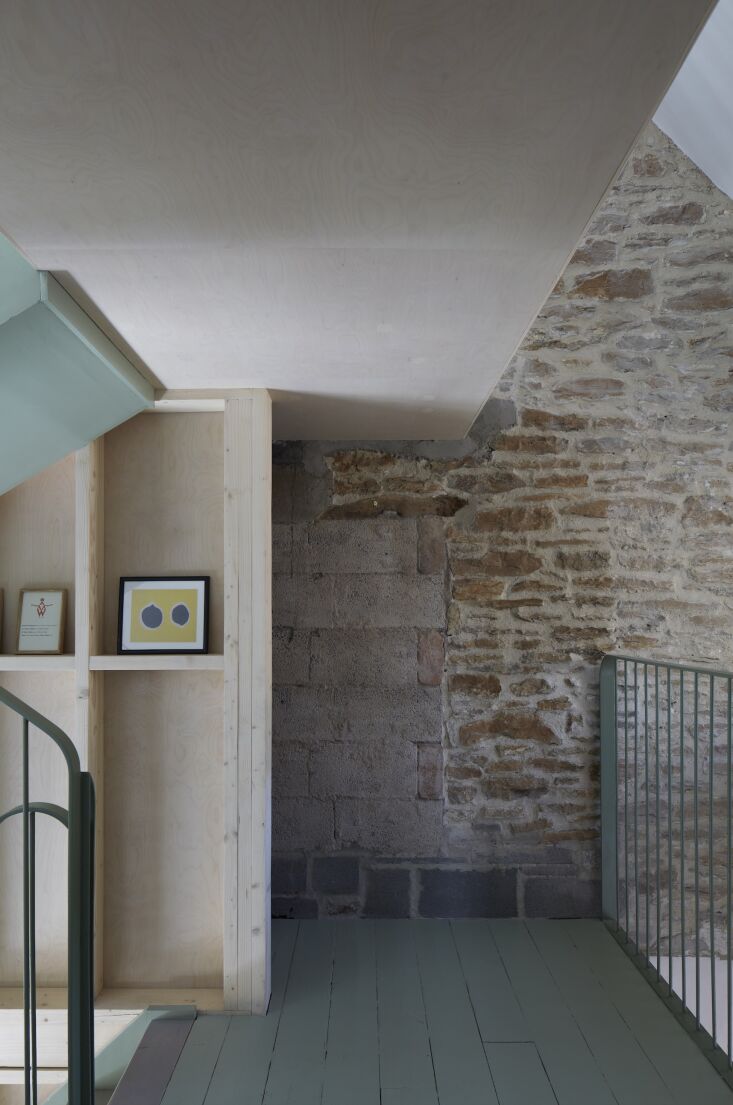
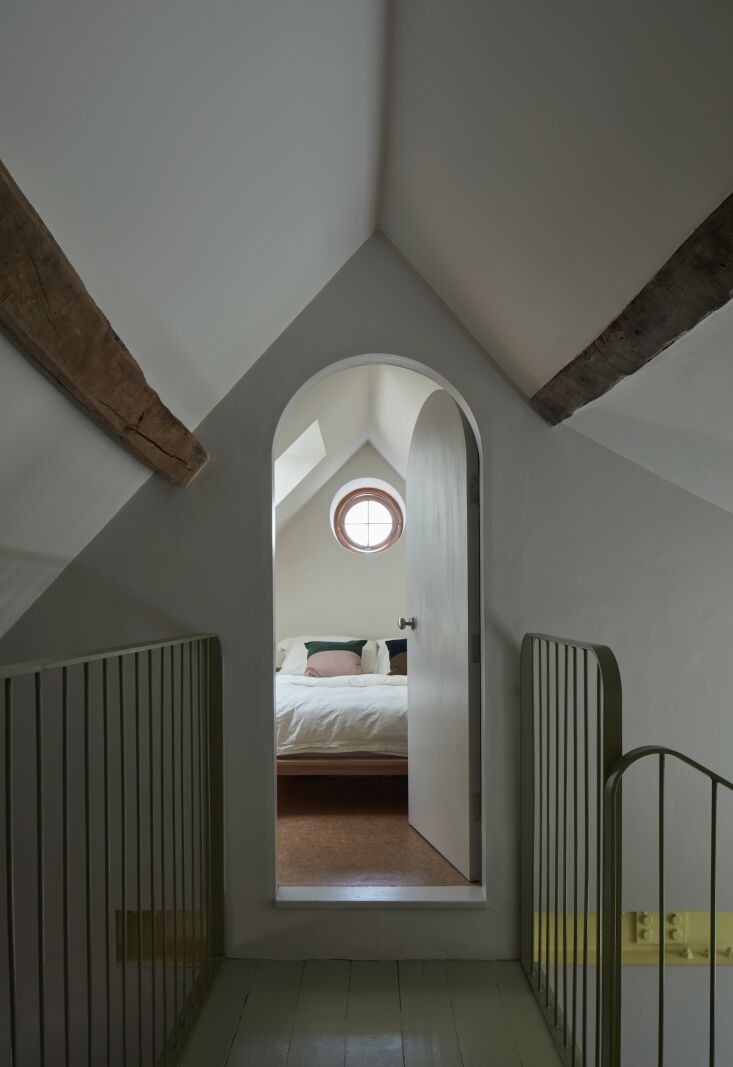
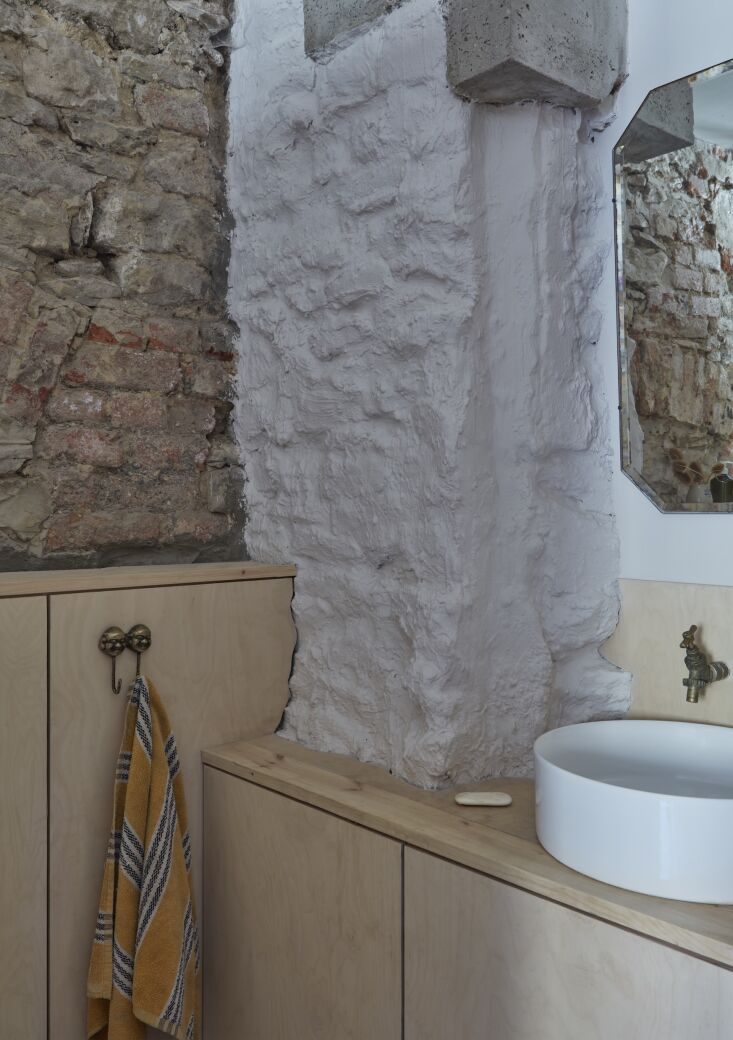
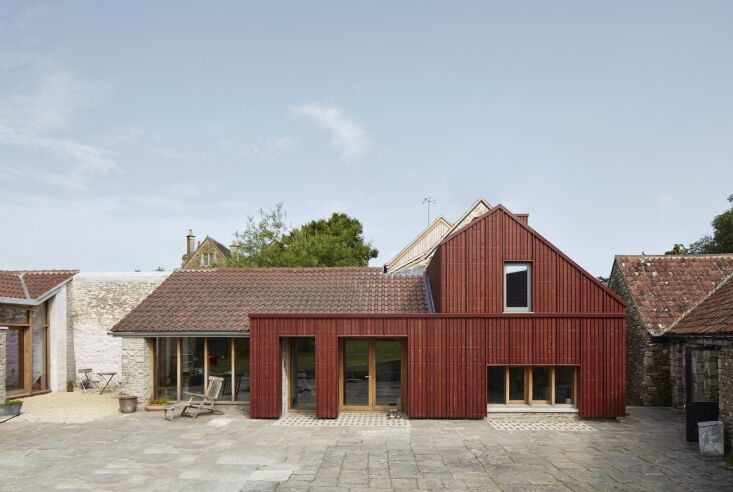
“The reinterpreted rear façade, both new and remodeled, reconnects the building to its rural setting, unafraid to have its own character but very much respectful of the original hall from which it extrudes,” write the designers.
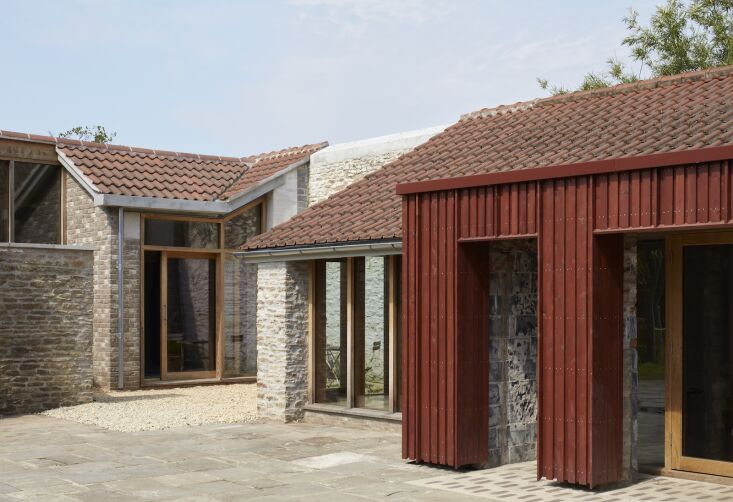
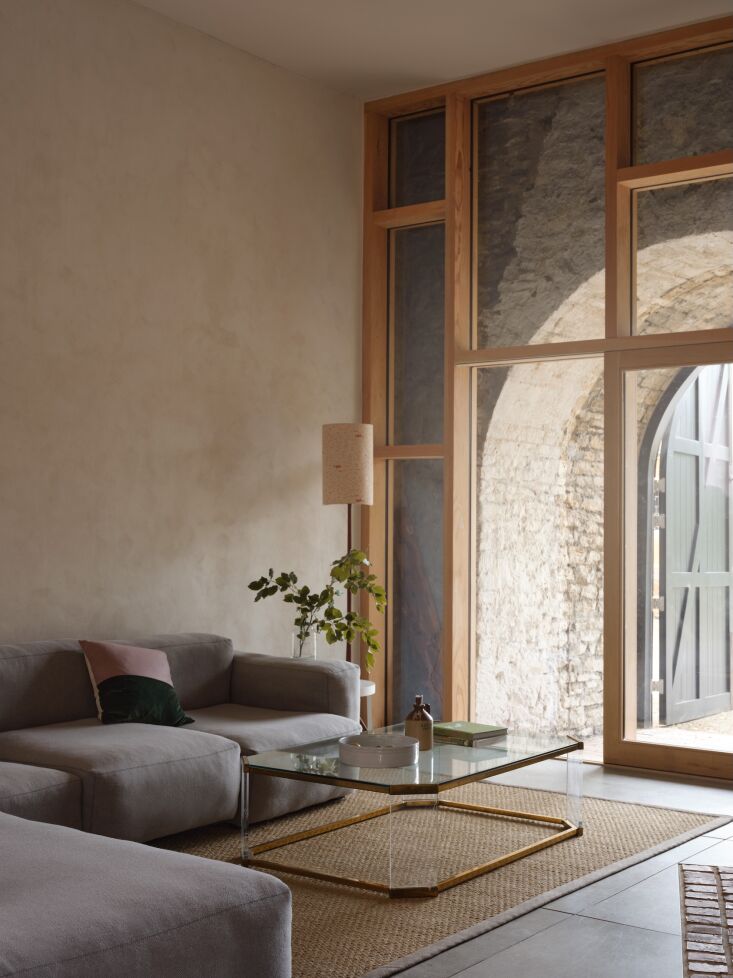
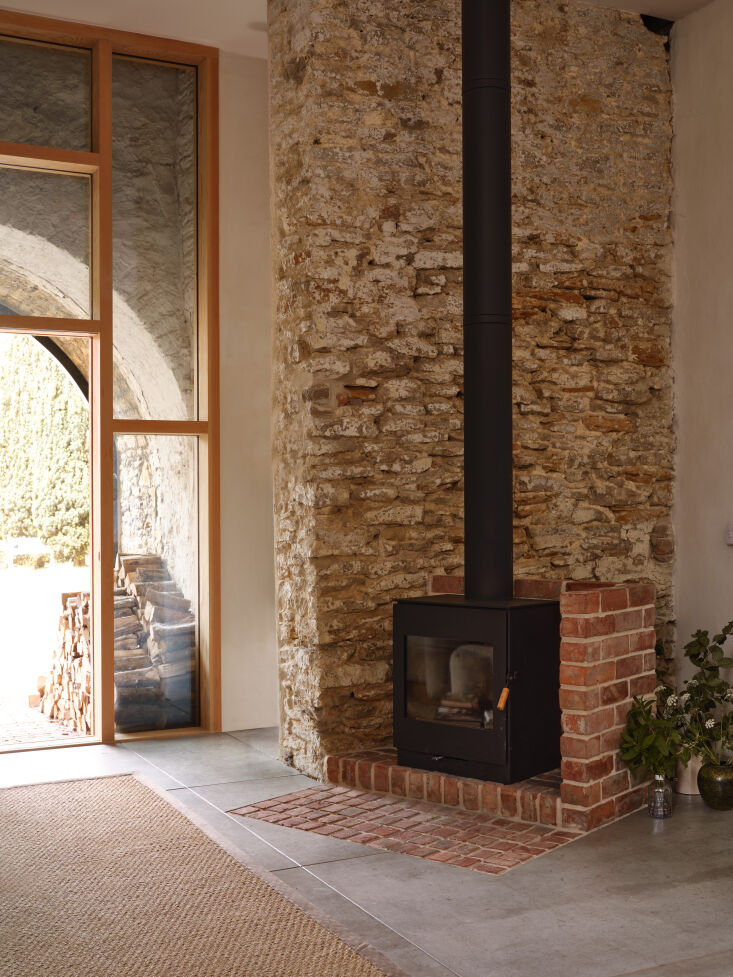
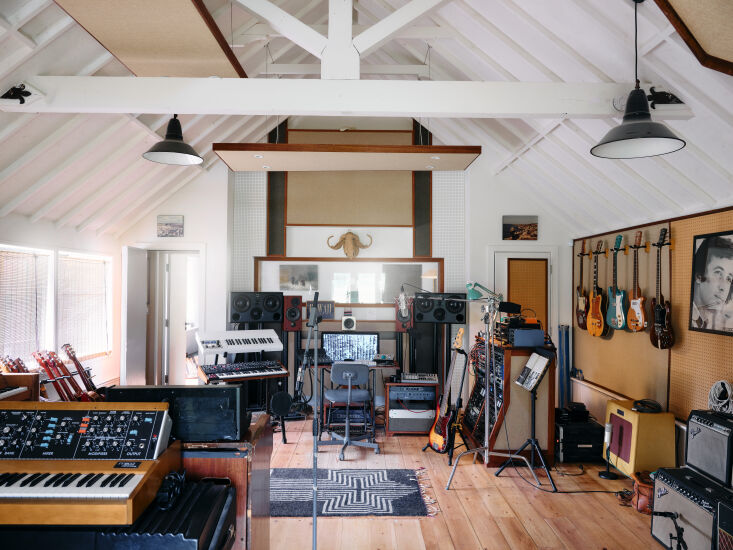
Floor Plan
Three more Tuckey Design Studio standouts:
- An Updated Cornish Longhouse by Tuckey Design Studio
- Modernist Makeover: Tuckey Design Studio Resurrects an Abandoned Villa on Lake Como
- A Centuries-Old Farmhouse for All Seasons by Jonathan Tuckey Design


Have a Question or Comment About This Post?
Join the conversation