Expert Advice: 5 DIY Finishes for Painted Furniture, Vintage Edition - Remodelista

Expert Advice: 5 DIY Finishes for Painted Furniture, Vintage Edition - Remodelista

Whether you’ve snagged a great find at Brimfield—or just have a bureau sitting around that needs an update—painting is a great and cost-effective way of giving furniture new life.
Take your painting technique to the next level with these five DIY finishing hacks, courtesy of Jeremy Harnish of Orange County, California-based Craftsman Finishes.
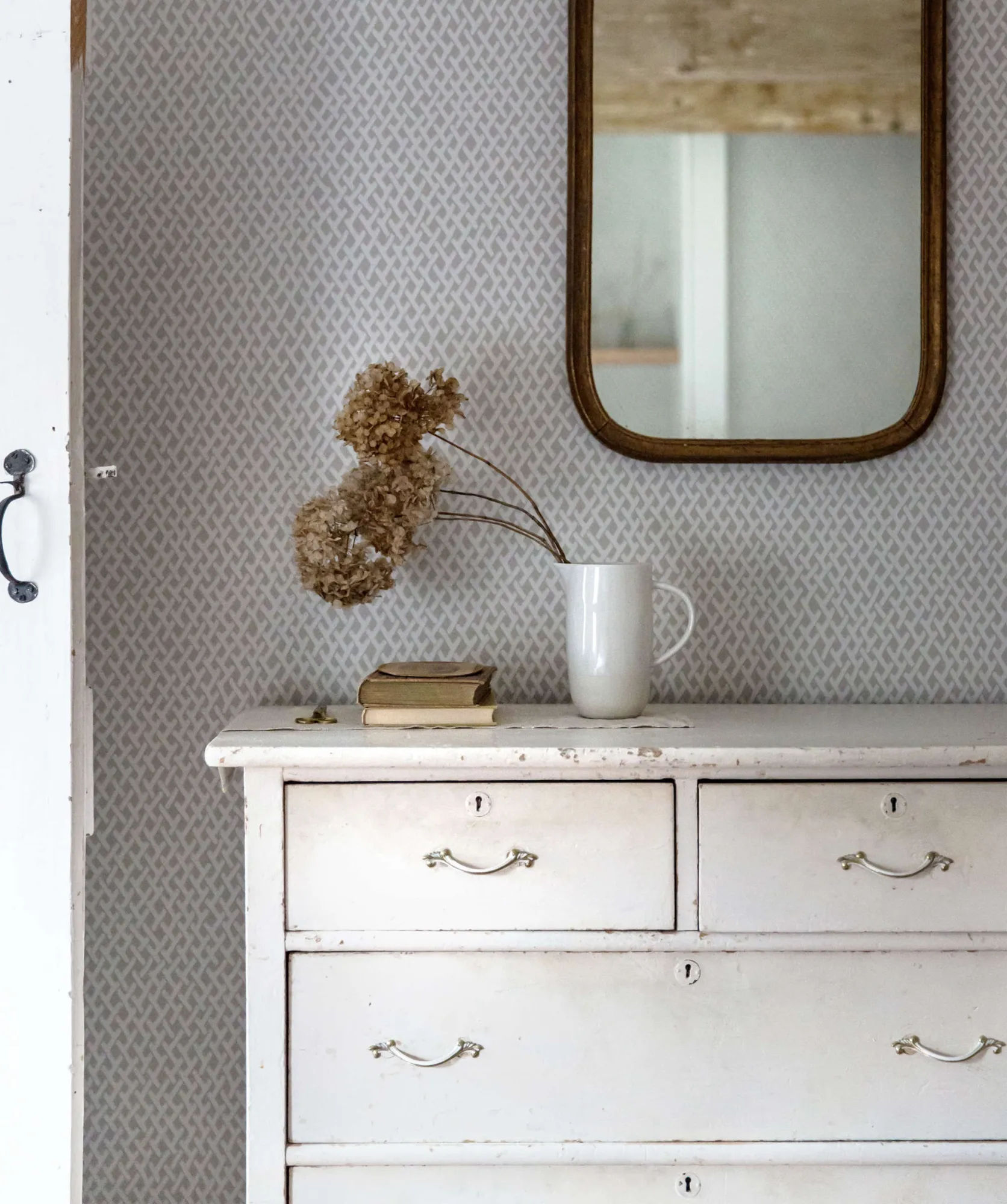
Photograph by Rory Gardiner.
A bureau with distressed edges at a house in Dorset.
1. Distress with Sandpaper
The simplest way of making a freshly painted piece look not freshly painted?
What you’ll need:
Sandpaper and a sealer (wax or clear coat).
How to distress with sandpaper:
“If you are using pre-finished wood, it is best to sand and prime the surface first,” Harnish says. If you have panels [such as on the doors of a cabinet], sand the edges of the raised panel as well for more distressing.
Photograph courtesy of Light Locations.
Wood treated with vinegar and steel wool takes on a weathered, silvery-gray cast, similar to the paneled headboard here. See House Call: Endless Summer in a London Victorian.
An instant hack for that weathered gray look.
2. Weather Wood with Vinegar and Steel Wool
“This finish works flawlessly on raw wood,” Harnish says.
How to weather wood:
For untreated or well sanded wood Add a piece of steel wool into a gallon of vinegar and let it soak for an hour Then coat your piece of wood using the vinegar mixture Start with one...
...coat and let dry and then darken it with more mixture as you desire Keep in mind that it dries lighter so make sure to let each coat dry to see how much weathering you want to achieve
A bedside nook in a weathered remodel by Jersey Ice Cream Co. features charmingly chipped paint.
Photograph by Beth Kirby of Local Milk.
3. Paint Over Wax for a Faded Look
Leave some swaths and spots unpainted by using wax.
What you’ll need:
Two colors of flat paint and non-synthetic wax.
“Choose the two colors of paint wisely for the contrast you desire,” Harnish says, and choose the order: the bottom layer will show through in splotches. Where you dab the wax, the base coat color will come through.
How to use wax to create a faded finish:
Photograph by Justine Hand.
A vintage table with a crackled top in Julie’s Wellfleet summerhouse.
The cracked look of old paint, thanks to coffee creamer.
4. Create a Vintage Crackle Finish
Coffee creamer, water, and two colors of paint.
What you’ll need:
If you’re using pre-finished wood, sand and prime it before you begin.
How to create an antiqued crackle finish:
Paint the top coat with a contrasting color to reveal the cracks in the paint.” As the top layer dries (Harnish suggests using a hair dryer set on “cool”), the top layer of paint will separate slightly, creating the crackled effect seen on old painted furniture.
A faded dining room cabinet in A Cottage Reborn in Coastal Maine.
Photograph by Justine Hand.
An alternative to the too-perfect coat of paint.
5. Feign Patina with Milk Paint and Cheesecloth
What you’ll need:
Milk paint, a Scotch-Brite scouring pad, a spray bottle filled with water, and cheesecloth.
For best results, Harnish advises using this technique on raw wood. The water, sanding pad, and cheese cloth will gently remove some of the milk paint, creating a faded, patinated effect.
How to create patina:
A wash of white paint over craggy, rough reclaimed wood gives it a white cast.
Photograph by Beth Kirby of Local Milk.
6. Whitewash Old Wood
Ideal for craggy old wood with character.
How to whitewash reclaimed wood:
“This works best with wood that has character, not just plywood. An old piece of reclaimed barn wood is the ideal,” Harnish says.
“Spritz the wood with water to make it damp, then apply the first coat of paint,” making sure the paint is watered down.
{"vars":{"GA4_MEASUREMENT_ID":"G-GB8Q6PKMP8","GA4_ENDPOINT_HOSTNAME":"www.google-analytics.com","DEFAULT_PAGEVIEW_ENABLED":true,"GOOGLE_CONSENT_ENABLED":false,"WEBVITALS_TRACKING":false,"PERFORMANCE_TIMING_TRACKING":false,"CUSTOM_PAGE_TITLE":"${title} - Remodelista","WEB_STORY_LENGTH":"30"}} {"vars":{"gtag_id":"UA-146156281-1","config":{"UA-146156281-1":{"groups":"default"}}},"triggers":{"storyOpen":{"on":"visible","request":"event","vars":{"event_name":"web_story_open","event_action":"story_open","event_category":"${title} - Remodelista","event_label":"${storyPageCount}","send_to":"UA-146156281-1"}},"storyProgress":{"on":"story-page-visible","request":"event","vars":{"event_name":"slide_view","event_action":"story_progress","event_category":"${title} - Remodelista","event_label":"${storyPageIndex}","send_to":"UA-146156281-1"}},"storyEnd":{"on":"story-last-page-visible","request":"event","vars":{"event_name":"story_complete","event_action":"story_end","event_category":"${title} - Remodelista","event_label":"${storyPageIndex}","send_to":"UA-146156281-1"}},"tapLeft":{"on":"click","selector":".i-amphtml-story-back-prev","request":"event","vars":{"event_name":"interaction","event_action":"tap_left","event_category":"${title} - Remodelista","event_label":"${storyPageIndex}","send_to":"UA-146156281-1"}},"tapRight":{"on":"click","selector":".i-amphtml-story-fwd-next","request":"event","vars":{"event_name":"interaction","event_action":"tap_right","event_category":"${title} - Remodelista","event_label":"${storyPageIndex}","send_to":"UA-146156281-1"}},"openAttachment":{"on":"story-open","tagName":"amp-story-page-attachment","request":"event","vars":{"event_name":"interaction","event_action":"open_attachment","event_category":"${title} - Remodelista","event_label":"${storyPageIndex}","send_to":"UA-146156281-1"}},"muteStory":{"on":"story-audio-muted","request":"event","vars":{"event_name":"interaction","event_action":"mute","event_category":"${title} - Remodelista","event_label":"${storyPageIndex}","send_to":"UA-146156281-1"}},"unmuteStory":{"on":"story-audio-unmuted","request":"event","vars":{"event_name":"interaction","event_action":"unmute","event_category":"${title} - Remodelista","event_label":"${storyPageIndex}","send_to":"UA-146156281-1"}}}} {"requests":{"reportEvents":"https://pi.story.domains/events/amp"},"transport":{"xhrpost":true,"useBody":true},"extraUrlParams":{"eventName":"${eventName}","device":"${device}","platform":"${platform}","languageId":"${languageId}","deviceLanguage":"${deviceLanguage}","appVersion":"${appVersion}","storyId":"${storyId}","channelId":"${channelId}","companyId":"${companyId}","userId":"${userId}","slideId":"${slideId}"},"triggers":{"openStory":{"on":"visible","request":"reportEvents","vars":{"eventName":"story_open","device":"desktop","platform":"amp","languageId":"2","deviceLanguage":"${browserLanguage}","appVersion":"2","storyId":"zvzYD","channelId":"3424","companyId":"2213","userId":"${clientId(msuser)}","slideId":"${storyPageIndex}"}},"slideView":{"on":"story-page-visible","request":"reportEvents","vars":{"eventName":"slide_view","device":"desktop","platform":"amp","languageId":"2","deviceLanguage":"${browserLanguage}","appVersion":"2","storyId":"zvzYD","channelId":"3424","companyId":"2213","userId":"${clientId(msuser)}","slideId":"${storyPageIndex}"}},"tapLeft":{"on":"click","selector":".i-amphtml-story-back-prev","request":"reportEvents","vars":{"eventName":"slide_tap_left","device":"desktop","platform":"amp","languageId":"2","deviceLanguage":"${browserLanguage}","appVersion":"2","storyId":"zvzYD","channelId":"3424","companyId":"2213","userId":"${clientId(msuser)}","slideId":"${storyPageIndex}"}},"tapRight":{"on":"click","selector":".i-amphtml-story-fwd-next","request":"reportEvents","vars":{"eventName":"slide_tap_right","device":"desktop","platform":"amp","languageId":"2","deviceLanguage":"${browserLanguage}","appVersion":"2","storyId":"zvzYD","channelId":"3424","companyId":"2213","userId":"${clientId(msuser)}","slideId":"${storyPageIndex}"}}}}